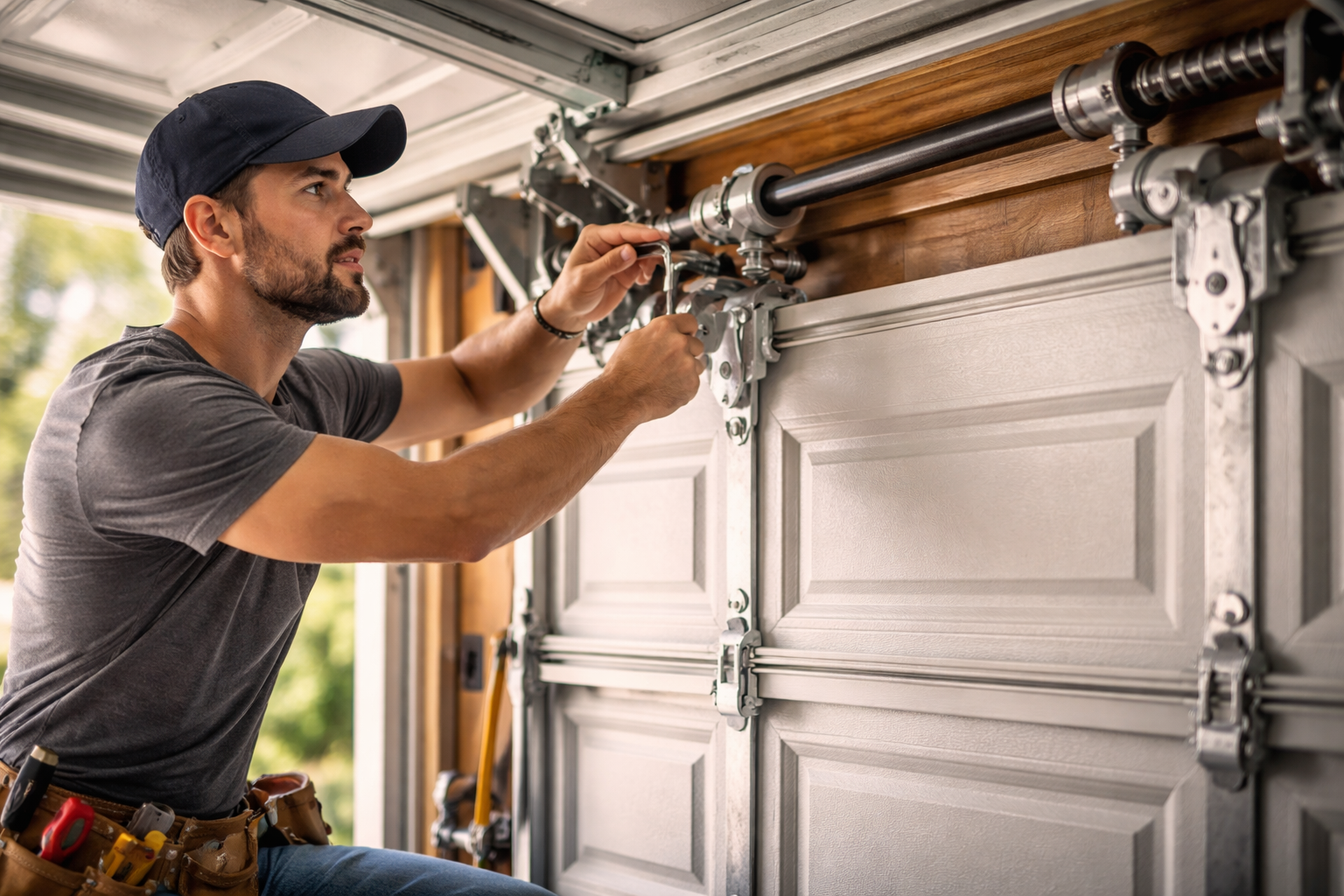
Your garage door is one of the most frequently used systems in your home. It opens and closes several times every day, protects your vehicles and belongings, and adds to your home’s security and curb appeal. Because of this constant use, Garage Door Maintenance is essential for keeping the system working safely and efficiently.
When homeowners ignore routine garage door upkeep, small issues can quickly turn into costly garage door repair problems. The good news is that with the right steps and a proper routine garage door maintenance checklist, you can keep your garage door operating like a professional technician would maintain it.
At All American Overhead Garage Door, we help homeowners with expert garage door service, inspections, and repairs. In this guide, we’ll walk you through how to do garage door maintenance like a pro with a step-by-step approach, so you can keep your system reliable and avoid unexpected breakdowns.
Why Regular Garage Door Maintenance Matters
Routine garage door servicing helps prevent common issues such as noisy operation, stuck doors, and worn-out components. With consistent garage door preventative maintenance, homeowners can extend the life of their garage door system and reduce the risk of emergency repairs.
Benefits of regular professional garage door maintenance include:
- Improved safety and reliability
- Reduced wear on moving parts
- Prevention of expensive repairs
- Quieter and smoother operation
- Longer garage door lifespan
Even if you follow a DIY maintenance routine, scheduling an annual garage door maintenance service ensures that professionals check critical components like springs and cables.
Step-by-Step Garage Door Maintenance Guide
Follow these steps to perform residential garage door maintenance like a professional technician.
Step 1: Perform a Full Garage Door Inspection
The first step in effective garage door maintenance is a detailed garage door inspection.
Check the following components:
- Springs
- Cables
- Hinges
- Rollers
- Tracks
- Mounting brackets
Look for signs of rust, fraying cables, loose bolts, or worn rollers. If you notice damage or severe wear, it’s best to contact a technician for garage door repair or a full garage door maintenance service.
Regular inspections help detect small issues before they become major problems.
Step 2: Tighten All Hardware
Because garage doors move up and down several times daily, vibrations can loosen hardware over time.
During your garage door tune up, check and tighten:
- Roller brackets
- Bolts and screws
- Track mounting hardware
- Hinge connections
Keeping hardware secure is an important part of garage door preventative maintenance and helps prevent system misalignment.
Step 3: Lubricate Moving Components
One of the most effective ways to fix noisy garage door problems is proper lubrication.
A thorough garage door lubrication service should include:
- Hinges
- Rollers
- Springs
- Bearings
- Pulleys
Use a silicone or lithium-based lubricant designed for garage doors. Proper lubrication reduces friction, prevents wear, and ensures smoother operation.
This step is essential for both automatic garage door maintenance and traditional overhead systems.
Step 4: Check the Door Balance
A balanced garage door reduces strain on the opener and extends the life of the system.
To test balance:
- Disconnect the automatic opener.
- Lift the door manually halfway.
- Release the door.
If the door moves up or down on its own, the springs may require garage door spring adjustment.
Because springs are under high tension, professional garage door spring maintenance should always be handled by trained technicians.
Step 5: Inspect the Garage Door Springs
Springs support the entire weight of your garage door, making them one of the most important components.
During garage door spring maintenance, check for:
- Rust or corrosion
- Gaps between spring coils
- Uneven tension
- Loud snapping noises
Damaged springs can cause serious injury if handled incorrectly. For safety, spring replacement or adjustments should be performed during professional overhead garage door maintenance.
Step 6: Examine the Cables
Cables work together with springs to safely lift the garage door.
Routine garage door cable maintenance includes checking for:
- Fraying or broken strands
- Loose cables
- Uneven tension
If cables appear worn or damaged, contact a local garage door maintenance company immediately to prevent sudden door failure.
Step 7: Clean and Align the Tracks
Garage doors move along metal tracks that must remain clean and aligned.
Proper garage door track maintenance involves:
- Removing debris or dirt from tracks
- Checking for bends or damage
- Ensuring tracks are properly aligned
- Tightening track brackets
Misaligned tracks can cause the garage door not opening properly or becoming stuck halfway.
Step 8: Inspect and Maintain Rollers
Rollers allow the door to move smoothly along the tracks. Over time, they can wear out or crack.
Routine garage door roller maintenance includes:
- Checking rollers for damage
- Lubricating roller bearings
- Replacing worn rollers
High-quality nylon rollers typically last longer and operate more quietly than metal rollers.
Step 9: Test the Garage Door Opener
Modern systems require regular garage door opener maintenance to ensure consistent performance.
Check the following:
- Remote control batteries
- Wall control panel
- Opener motor sounds
- Chain or belt tension
Routine automatic garage door maintenance ensures the opener works efficiently and prevents problems like delayed opening.
Step 10: Test Safety Features
Garage doors include safety features designed to prevent accidents.
Test the auto-reverse system by placing an object under the door while closing it. The door should reverse immediately upon contact.
If the safety sensors fail to work, schedule garage door servicing right away.
Safety checks are a critical part of every routine garage door maintenance checklist.
When to Call a Professional Garage Door Technician
While many maintenance tasks can be done at home, some problems require professional help.
Contact a technician if you notice:
- Broken springs
- Frayed cables
- Loud grinding noises
- Door stuck halfway
- Door not opening properly
A professional technician can perform detailed garage door servicing, repairs, and inspections safely.
Professional Garage Door Maintenance You Can Trust
If you’re searching for garage door maintenance near me, choosing an experienced and reliable service provider is essential.
All American Overhead Garage Door provides:
- Professional garage door maintenance
- Affordable garage door maintenance service
- Complete garage door inspections
- Same day garage door maintenance service
- Reliable residential garage door maintenance
Our skilled technicians ensure your system operates smoothly, safely, and efficiently all year long.
Final Thoughts
Learning how to do Garage Door Maintenance like a pro helps homeowners prevent unexpected breakdowns and extend the life of their garage door system. By following this step-by-step guide and performing regular inspections, lubrication, and safety checks, you can keep your door operating smoothly.
However, for complex components like springs, cables, and opener systems, professional garage door maintenance service is always recommended.If you need expert garage door maintenance trust the experienced team at All American Overhead Garage Door to keep your garage door running safely and reliably.
Leave a Reply