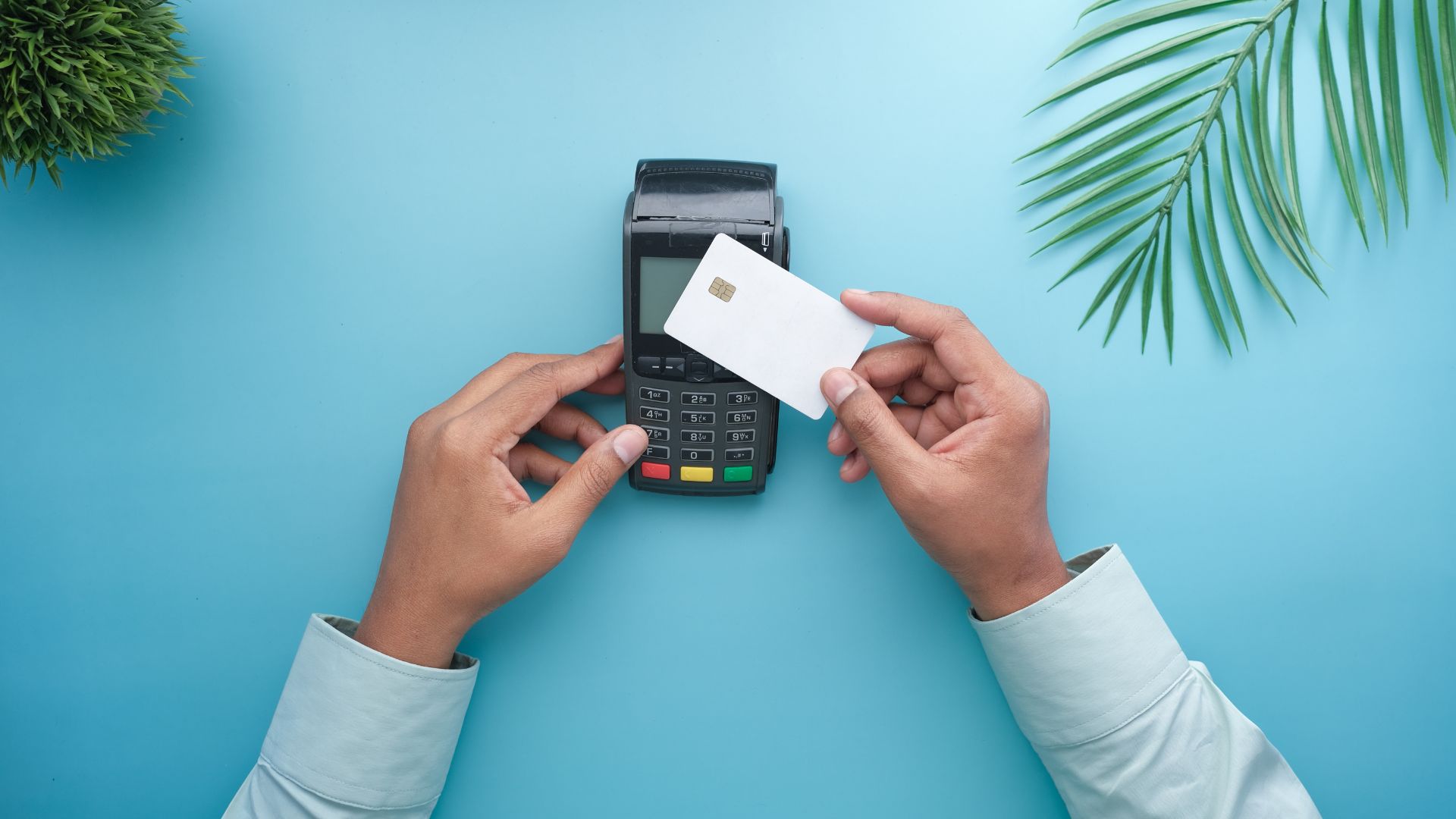
You’ll get the best balance of security, control and savings by combining single‑use cards for one‑off or high‑risk buys, reloadable cards for weekly budgeting and a low‑FX multi‑currency card for cross‑border purchases. Set per‑card monthly and transaction limits, enable real‑time alerts and prefer merchant‑currency billing to avoid DCC. Compare NZ issuer acceptance and international FX margins, and rotate or cancel cards after suspicious activity — keep going to see recommended provider pairings and setup examples.
Key Takeaways
- Use one reloadable virtual card for weekly low-value purchases to control budgets and reduce card churn.
- Create single-use virtual cards for high-value or unfamiliar merchants to eliminate post-purchase fraud risk.
- Hold a multi-currency virtual card for overseas merchants to avoid poor DCC rates and lower FX spreads.
- Assign a dedicated virtual card per subscription to simplify reconciliation and quickly cancel compromised services.
- Pair a major NZ bank’s virtual feature with a low-FX fintech provider, set monthly/transaction limits, and enable instant alerts.
Quick Decision Framework: Choose a Virtual-Card Setup for NZ Shoppers
Wondering which virtual-card setup suits your NZ shopping habits? You’ll assess three measurable factors: transaction frequency, average spend, and risk tolerance.
If you shop weekly with small purchases, pick a reloadable virtual card tied to a single account for tight budget management and easy categorisation.
If you buy high-value items occasionally, use single-use virtual cards to isolate merchants and improve card security, limiting fraud exposure.
For cross-border or marketplace shopping, choose a multi-currency virtual card that tracks spend per currency and reduces conversion surprises.
Set clear rules: monthly limits, per-transaction caps, and automatic alerts.
Compare performance by tracking declined transactions, fraud attempts prevented, and adherence to spending limits to refine your setup quarterly.
Key Criteria: Fees, FX Costs, and Merchant Acceptance (NZ)
Because fees, foreign‑exchange (FX) costs, and merchant acceptance directly affect the real cost and convenience of virtual cards in NZ, you should evaluate them together before choosing a setup.
You’ll balance virtual card benefits and payment security against ongoing costs and whether local merchants accept the scheme. Focus on measurable impacts: fees per transaction, FX markups, and acceptance rates for online and in‑store payments.
- Compare fixed monthly fees versus per‑transaction charges.
- Quantify FX spread (%) and any dynamic currency conversion risks.
- Check merchant networks and common gateways in NZ.
- Assess limits, refunds, and dispute handling for payment security.
- Estimate annual cost based on your shopping frequency and average basket.
Splitting Business and Personal for Good
Blending personal and business spending on one credit card had been quietly costing us each tax season. A bookkeeper friend’s answer was a dedicated card for each purpose. She suggested opening a Card29 virtual card account, and our records have never looked cleaner. Personal on one prepaid card, business on another, each fully traceable and capped—the lines that used to smudge are now sharp. For anyone whose money lives in one tangled statement, that VCC separation is a relief.
NZ Issuers vs International Providers: Pros, Cons, Costs
When you compare New Zealand issuers with international providers, you’ll see tradeoffs between local convenience and global reach.
NZ issuers usually offer better merchant acceptance, local customer support, and clearer fee structures, while international providers give wider currency coverage and often lower FX margins.
Decide based on where you spend most and whether lower FX costs or smoother local use matters more.
NZ Issuers: Local Benefits
Although international virtual card providers can offer global reach, NZ-issued virtual cards give you tangible local benefits: lower foreign-exchange surprises, simpler KYC and dispute processes, and compliance with New Zealand consumer protections.
You’ll find measurable advantages when you prioritise NZ issuers: better alignment with local partnerships and regional advantages, direct support in NZ time zones, and easier chargeback handling under local law.
- Local partnerships often mean exclusive loyalty programs and targeted cashback offers.
- Regional advantages reduce settlement delays and FX rounding.
- Faster identity checks cut onboarding time.
- Consumer protections make disputes less risky.
- Customer service in NZ improves resolution speed.
Choose NZ issuers if you value predictable costs, data residency, and practical convenience.
International Providers: Wider Reach
If you need global coverage and multi-currency support, international virtual card providers usually deliver the broadest network, letting you pay vendors across dozens of countries with fewer FX conversions and fewer rejected transactions.
You’ll gain global accessibility, prepaid multi-currency wallets, and dynamic CVV features that lower fraud risk.
Compare fees: many international providers charge 0.5–2.5% FX markup plus monthly platform or per-card fees, while NZ issuers often include higher FX spreads but simpler KYC and local support.
In a straight provider comparison, weigh settlement speed, billing currency, dispute handling, and integration with your accounting tools.
If you frequently buy overseas, international providers cut transaction failures and hidden costs; if most spending is local, an NZ issuer may be cheaper and easier to manage.
How Currency Conversion and FX Fees Affect NZ Online Shopping
When you shop from NZ using a card denominated in NZD, exchange rate markups can add 1–3% or more to the merchant’s base FX rate, quietly inflating prices.
On top of that, foreign transaction fees from your issuer often tack on a fixed percentage (commonly 0.5–3%), so the combined cost can be material on big purchases.
Watch for dynamic currency conversion at checkout—choosing to pay in NZD usually feels convenient but often gives you a worse rate than letting your card handle the conversion.
Exchange Rate Markups
Because most NZ shoppers buy from overseas sites, the exchange rate and foreign‑transaction fees can noticeably increase your final price, often by 1–3% for card issuer markups plus whatever margin the payment network adds.
You should understand how exchange rate markups work and use markup strategies to reduce cost. Track real mid‑market rates and compare them to the rate applied at checkout or on your statement. Consider virtual cards that offer interbank rates or let you lock a rate.
- Check mid‑market rate vs merchant rate before purchase
- Use cards with transparent markup policies
- Lock currency balances in a multi‑currency virtual card
- Opt for merchant billing in local currency when possible
- Monitor monthly FX spreads to spot outliers
Be data‑driven and switch providers when spreads exceed your tolerance.
Foreign Transaction Fees
Exchange-rate markups only tell part of the story; foreign transaction fees and currency-conversion charges can add another fixed or percentage cost on top of that markup.
When you use a virtual card for overseas merchants, banks or card issuers often apply a foreign exchange spread plus transaction charges—commonly 1–3% plus a small fixed fee.
That means a US$100 purchase can effectively cost you NZ$ from both the spread and the fee.
To minimise cost, compare providers’ published FX rates and explicit transaction charge schedules, and prefer cards that use interbank rates with low or zero additional fees.
Track monthly cross-border spend to model total cost, and switch cards when cumulative fees exceed savings from perks or rewards.
Dynamic Currency Conversion
Many online merchants will offer to charge you in New Zealand dollars at checkout via Dynamic Currency Conversion (DCC), but that convenience usually costs you: DCC often embeds unfavorable exchange margins and extra fees, amplifying dynamic pricing effects and worsening currency fluctuation impact on your purchase.
You should prefer being billed in the merchant’s currency and let your card provider handle conversion at interbank rates.
- DCC markup commonly adds 2–8% over card FX rates.
- Banks’ posted FX plus foreign transaction fees can still beat DCC.
- Virtual cards let you lock in card-based FX pricing and monitor rates.
- Check receipts: DCC should be disclosed; decline if unclear.
- For big purchases, compare live mid-market rates to quoted DCC amounts.
Make choices based on data, not convenience.
Merchant Acceptance: Virtual-Card Gotchas and How to Avoid Declines (NZ)
When a merchant’s payment system doesn’t recognise virtual-card details, your purchase can be declined even if funds are available. So it’s important to know the common acceptance issues and how to prevent them.
You should first check merchant policies: some NZ retailers and platforms block virtual or prepaid BIN ranges, and others require a physical-card verification step.
Monitor transaction limits set by your virtual-card provider and the merchant—card-level caps or per-transaction ceilings often trigger declines.
Match billing address and CVV entry precisely; mismatches cause ~30% of declines in some processors.
For recurring subscriptions, use a card that supports merchant tokenisation.
If you see repeated failures, swap BIN ranges, contact your provider for merchant whitelist options, or ask the merchant to accept an alternate payment method.
One-Time Virtual Cards: When to Use Them and How to Create One
You should use one-time virtual cards when you want to eliminate fraud risk for a single purchase or trial subscription, since they cut exposure to zero after the charge.
Creating one is usually a two-step process in your card app or bank: generate a single-use number, set the merchant and amount limits if available, and confirm before checkout.
I’ll show the exact steps and examples so you can set one up in under a minute.
When To Use
Because one-time virtual cards expire after a single charge, they’re ideal whenever you want to limit exposure to merchants you don’t fully trust or to apps and sites you only use once.
You’ll use them strategically based on usage scenarios and practical shopping tips: they cut fraud risk, stop recurring billing mistakes, and simplify dispute resolution.
- New or low-reputation merchants where data shows increased chargeback rates
- Trial subscriptions that convert after a short window
- Marketplaces or classifieds with limited seller verification
- International or unfamiliar websites with higher fraud incidence
- Single-event purchases like tickets or limited offers with unknown vendors
Use data (merchant ratings, past chargeback frequency) to pick one-time cards for high-risk transactions and reserve permanent virtual cards for trusted, repeat spending.
How To Create
Before generating a one-time virtual card, decide on the exact charge amount, merchant details, and expiration window so you don’t over- or under-fund the card.
Next, open your bank or card app, select “virtual cards” and choose “one-time” to limit reuse. Enter the precise amount and merchant descriptor; apps that log merchant details reduce disputes by up to 30%.
Set a short expiration—typically 24–72 hours—matching shipping or checkout timing. Verify CVV and billing address auto-fill settings to avoid checkout fails.
Save the virtual card token only if you need automated refunds; otherwise delete it immediately after use. Monitor activity via your app’s card management dashboard for anomalies to maintain strong digital security.
Recurring Virtual Accounts for Subscriptions and Regular Bills
When you set up recurring virtual accounts for subscriptions and regular bills, allocate one dedicated virtual card per service so you can track spending, spot unauthorized charges, and cancel or replace a card without disrupting other payments.
You’ll improve subscription management and budget tracking by isolating payments, making reconciliation simpler and fraud easier to spot. Implement these practical steps:
- Assign cards to single services and label them clearly for quick reconciliation.
- Set spending limits per card based on historical billing to control cash flow.
- Use alerts for declines, unusual amounts, or renewal dates to act fast.
- Rotate or replace cards annually or after a breach to reduce exposure.
- Export transaction data regularly to feed into your budgeting tools for analysis and forecasting.
Multi-Card Strategies to Organise Spending, Track Subscriptions, and Limit Risk
Having dedicated virtual cards for recurring bills gives you a neat baseline to expand into a multi-card strategy: assign groups of cards to categories (everyday spending, subscriptions, travel, business) so you can monitor patterns, enforce limits, and isolate risk without piling everything onto one account.
You’ll map spending categories to individual cards, improving expense tracking and simplifying reconciliation. For subscription management, use one card per service group (media, utilities, software) so cancellations and disputes don’t affect other payments.
Set per-card limits and alerts for risk mitigation and to prevent accidental overspend. Good card organization reinforces financial discipline: review statements weekly, rotate or close unused cards, and link each card to a clear budget line.
This approach yields cleaner data and faster decisions.
Virtual Card Fraud Protection & Dispute Steps for NZ Shoppers
Because virtual cards give you granular control over payments, they also change how you prevent and handle fraud — and knowing the right steps can cut loss and hassle fast.
You’ll rely on real-time fraud detection signals (tokenisation, spend limits, merchant controls) and quick action to contain issues. If you spot unauthorised activity, follow a clear dispute resolution path to maximise recovery.
- Freeze or cancel the virtual card instantly to stop further charges.
- Preserve transaction records and timestamps for evidence.
- Contact your card provider’s fraud team within 48 hours; use their online claim form.
- Escalate to your bank if the provider’s response is slow; note reference numbers.
- Monitor account statements for 60–90 days and document outcomes for disputes.
Practical Setups and Recommended Provider Pairings for Frequent NZ Shoppers
Protecting against fraud is only part of the picture — you should pair protection with a setup that matches how you shop.
Start by segmenting spending: one virtual card for subscriptions, one for marketplaces, and one single-use card for impulse buys. That split boosts card security and makes reconciliation simple.
For provider pairings, combine a major bank’s virtual-card feature (better dispute support, wider merchant acceptance) with a fintech app offering tokenised single-use cards (superior control, speed).
If you cross-border shop, add a low-foreign-fee card or a multi-currency provider to maximise payment flexibility and reduce FX cost.
Track metrics: monthly fraud attempts flagged, disputes won, and FX saved.
Iterate quarterly—adjust limits, cancel unused cards, and keep the setup lean.
Final words
Pick a primary virtual card for low fees and strong NZ merchant acceptance, use a secondary card for foreign purchases and FX savings, set recurring virtual accounts for subscriptions, monitor transactions daily, and rotate cards to limit exposure. Balance cost, convenience, and protection; compare issuer policies and dispute procedures; automate bookkeeping and back up receipts. Stay pragmatic, track numbers, and adjust providers as your spending patterns change.