Category: BLOG

  • Trusted Industrial Infrastructure Contractors in Western Australia

    Trusted Industrial Infrastructure Contractors in Western Australia

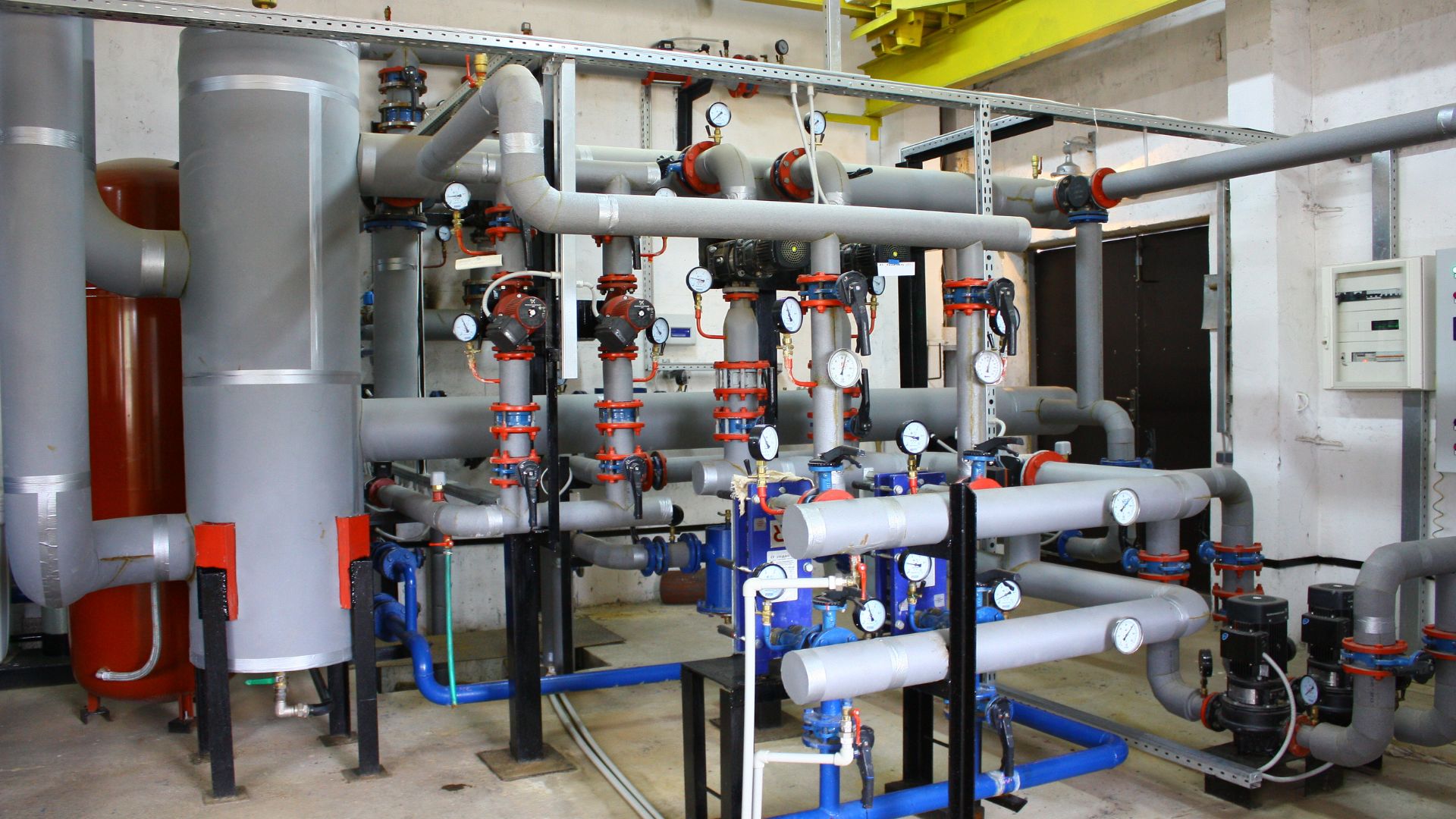
    Western Australia is one of Australia’s leading industrial regions. Mining, manufacturing, logistics, oil and gas, and renewable energy industries depend on reliable infrastructure systems to maintain operations. Trusted industrial infrastructure contractors play an important role in building, maintaining, and upgrading these critical industrial facilities.

    Industrial infrastructure services in Western Australia support industrial growth through engineering, construction, maintenance, and operational management. Contractors work on large-scale industrial projects that require technical expertise, safety compliance, and advanced project coordination.

    Industrial operations in Western Australia often operate under difficult conditions, including remote work locations, high temperatures, and continuous production schedules. Professional contractors help businesses maintain reliable infrastructure systems designed for long-term operational performance.

    Role of Industrial Infrastructure Contractors

    Industrial infrastructure contractors provide the workforce, engineering support, equipment, and technical services needed to complete industrial projects. These projects may involve construction, mechanical installation, structural fabrication, electrical systems, or facility maintenance.

    Industrial infrastructure services in Western Australia are commonly used in:

    • Mining facilities
    • Processing plants
    • Manufacturing sites
    • Transport terminals
    • Energy facilities
    • Warehouses
    • Pipeline systems
    • Renewable energy projects

    Contractors work closely with engineers, project managers, and industrial operators to ensure projects meet safety, quality, and operational standards.

    Key Services Offered by Industrial Infrastructure Contractors

    Industrial contractors provide a wide range of specialized services across multiple industries.

    Structural Construction Services

    Structural construction includes steel fabrication, framework installation, industrial platforms, and heavy-duty support systems. Contractors build structures designed to handle heavy operational loads and harsh environmental conditions.

    Structural steel is commonly used because of its strength, durability, and corrosion resistance.

    Mechanical Installation and Maintenance

    Mechanical services include the installation and maintenance of industrial equipment such as pumps, conveyors, piping systems, valves, and processing machinery.

    Industrial infrastructure services in Western Australia often involve mechanical upgrades designed to improve production efficiency and equipment reliability.

    Electrical Infrastructure Services

    Industrial contractors install and maintain electrical systems that support industrial operations. Services may include power distribution systems, switchboards, automation controls, and backup power systems.

    Modern facilities also use automated electrical systems to improve operational monitoring and energy efficiency.

    Civil and Concrete Construction

    Civil works include foundations, drainage systems, industrial flooring, roads, and retaining walls. Reinforced concrete systems provide stable support for heavy machinery and transport equipment.

    Contractors also manage site preparation and earthworks for large industrial developments.

    Industries Using Industrial Infrastructure Contractors

    Several major industries in Western Australia rely on experienced industrial contractors.

    Mining Industry

    Western Australia is one of the world’s largest mining regions. Mining companies require contractors for processing plants, conveyor systems, workshops, storage facilities, and infrastructure maintenance.

    Industrial infrastructure services in Western Australia support mine expansion projects, shutdown maintenance, and equipment upgrades.

    Oil and Gas Sector

    Oil and gas operations require highly specialized infrastructure systems. Contractors provide piping installation, structural fabrication, pressure system maintenance, and safety inspections.

    Strict compliance with Australian safety regulations is essential in these high-risk environments.

    Manufacturing and Processing

    Manufacturing plants require infrastructure systems that support production lines, automated machinery, and storage facilities. Contractors help manufacturers improve workflow efficiency and equipment reliability.

    Renewable Energy Projects

    Renewable energy infrastructure continues to grow across Western Australia. Contractors support solar farms, wind energy facilities, and battery storage projects through electrical installation, civil works, and structural construction.

    Benefits of Hiring Trusted Industrial Contractors

    Professional contractors help businesses improve operational reliability and project efficiency.

    Experienced contractors reduce construction delays and improve project quality through proper planning and technical expertise. Reliable maintenance programs also help extend infrastructure lifespan and reduce repair costs.

    Industrial infrastructure services in Western Australia improve workplace safety through strict compliance with engineering standards and operational procedures.

    Contractors also provide access to skilled workers, specialized equipment, and project management systems. This helps industrial businesses manage large projects more effectively.

    Modern contractors use advanced technology to improve construction accuracy, maintenance scheduling, and operational monitoring.

    Safety and Compliance Standards

    Industrial projects involve heavy machinery, hazardous materials, and complex operational systems. Contractors must follow strict Australian safety standards to protect workers and maintain safe project conditions.

    Safety management procedures often include:

    • Risk assessments
    • Equipment inspections
    • Worker safety training
    • Emergency response planning
    • Compliance audits

    Environmental compliance is also important. Industrial contractors help businesses manage waste, emissions, and water systems according to government regulations.

    Technology Used by Industrial Infrastructure Contractors

    Technology continues to improve industrial project management and infrastructure performance.

    Engineering teams use 3D modelling software to design infrastructure systems before construction begins. Digital project management systems improve scheduling, budgeting, and workforce coordination.

    Industrial infrastructure services in Western Australia increasingly include smart monitoring systems and predictive maintenance technology.

    Remote monitoring systems help operators track equipment performance in real time, especially in remote industrial locations.

    Automation systems also improve operational efficiency and reduce manual labour requirements in hazardous work environments.

    Challenges in Industrial Infrastructure Projects

    Industrial infrastructure projects in Western Australia often involve logistical and environmental challenges.

    Remote project locations can increase transportation costs and workforce management complexity. Harsh environmental conditions may also affect construction schedules and equipment performance.

    Large industrial projects require strong coordination between contractors, engineers, suppliers, and maintenance teams. Skilled labour shortages may also impact project timelines.

    Professional contractors use detailed planning and project management systems to reduce delays and maintain project quality.

    Future of Industrial Infrastructure Contracting in Western Australia

    Industrial development in Western Australia continues to expand due to increasing demand for natural resources, renewable energy, and advanced manufacturing systems.

    Future infrastructure projects are expected to focus on:

    • Smart infrastructure systems
    • Automation technology
    • Sustainable construction methods
    • Renewable energy integration
    • Predictive maintenance solutions

    Industrial infrastructure services in Western Australia will continue supporting industrial modernization and long-term economic growth across the region.

    FAQ

    What do industrial infrastructure contractors do?

    Industrial infrastructure contractors provide construction, maintenance, engineering, and operational support services for industrial facilities.

    Which industries use industrial infrastructure services in Western Australia?

    Mining, oil and gas, manufacturing, logistics, renewable energy, and processing industries commonly use these services.

    Why is safety important in industrial infrastructure projects?

    Industrial projects involve hazardous equipment and operating conditions. Safety systems help reduce workplace risks and maintain compliance with regulations.

    What materials are commonly used in industrial construction?

    Common materials include structural steel, reinforced concrete, industrial piping systems, and corrosion-resistant coatings.

    How does technology improve industrial infrastructure projects?

    Technology improves project planning, equipment monitoring, maintenance scheduling, and operational efficiency.

    Conclusion

    Industrial infrastructure contractors play an important role in supporting industrial operations across Western Australia. Mining facilities, manufacturing plants, transport systems, and energy projects all require reliable infrastructure solutions for safe and efficient operations.

    Industrial infrastructure services in Western Australia provide essential support through engineering, construction, maintenance, and project management solutions. As industries continue expanding and modernizing, trusted contractors will remain critical for delivering reliable infrastructure systems and long-term operational performance.

  • How to Get a EUR Virtual Card for European Online Shopping

    How to Get a EUR Virtual Card for European Online Shopping

    You get a EUR virtual card by signing up with a bank or fintech that supports euro cards, verifying your identity in the app, and creating a virtual card from your EUR balance or converted local currency. You then use its card number, expiry, and CVV at European checkouts like any normal card. Set spending limits, enable alerts, and add it to digital wallets for safer purchases and smoother subscription payments—what comes next shows you how to do this step by step.

    What Is a EUR Virtual Card?

    A EUR virtual card is a digital payment card denominated in euros that exists only online, not as physical plastic in your wallet. You receive card details—number, expiry date, CVV—inside a banking app or fintech platform and use them just like a standard card at checkout.

    You fund it from an existing account or balance, then pay in EUR wherever it’s accepted.

    Eur card benefits include quick issuance, flexible limits, and easy replacement if something goes wrong.

    Virtual card security is stronger than with many physical cards: you can freeze the card instantly, restrict usage, and sometimes generate single-use numbers.

    You keep your main card hidden while still completing payments efficiently, reducing exposure to fraud and unauthorized transactions.

    Why EUR Virtual Cards Matter for European Shopping

    When you shop across Europe, a EUR virtual card helps you avoid foreign transaction fees that quietly inflate every purchase.

    You can pay for Eurozone subscriptions—like streaming, software, and travel passes—without card declines or surprise exchange costs.

    Avoiding Foreign Transaction Fees

    Even if your bank barely mentions them, foreign transaction fees can quietly inflate the cost of every European purchase you make. Each time you pay in euros with a non‑EUR card, your bank may add a percentage surcharge plus a poor currency exchange rate. Those small extras stack up fast.

    A EUR virtual card helps you avoid this. You load funds in euros, then pay European merchants directly in their local currency, so your bank’s foreign fee never triggers. You also see clear pricing: what leaves your balance matches what the merchant charges.

    You can set transaction limits on the virtual card, keeping high‑risk or unfamiliar sites from pulling more than you expect, while still enjoying predictable, fee‑efficient payments.

    Seamless Eurozone Subscriptions

    Instead of battling surprise fees and declined payments, you can make Eurozone subscriptions feel as effortless as local ones by paying with a EUR virtual card. When you use a card in the right currency, streaming services, cloud tools, and software plans process payments as domestic, so renewals run smoothly and reliably.

    A EUR virtual card also supports seamless transactions across multiple providers. You can link it to European app stores, digital media platforms, and SaaS tools without worrying about cross-border quirks.

    For stronger subscription management, you can generate separate virtual cards for different services. If a subscription becomes unnecessary or a merchant looks suspicious, you simply freeze or delete that card.

    This limits exposure, keeps recurring charges organized, and simplifies your digital subscription stack.

    Better Currency Budget Control

    Although it’s easy to lose track of costs in a mix of currencies, a EUR virtual card lets you anchor your European shopping to a single, predictable budget.

    Instead of mentally converting every price, you see what you’re really spending in one clear figure. That improves currency tracking and reduces surprise charges.

    Use your EUR virtual card to:

    1. Set a fixed monthly shopping limit so you don’t overspend on sales or travel deals.
    2. Activate budget alerts that warn you when you’re close to your cap or when a large transaction hits.
    3. Separate everyday expenses from travel or gift purchases by creating dedicated virtual cards.
    4. Review clean, EUR‑only statements that simplify comparisons, trend analysis, and long‑term planning.

    Prepaid Cards for People Who Hate Surprise Charges

    If you’ve ever been surprised by a charge you forgot about, a prepaid card effectively makes that impossible — there’s simply no balance for a surprise charge to draw from. It’s a simple structural fix for a very common problem. People who want that peace of mind without setting up a complicated second bank account often purchase prepaid card cardn3 offers and use it as their default for anything involving recurring billing. Less mental overhead, cleaner statements.

    Can You Get a EUR Card Without a Euro Account?

    Surprisingly, you can get a EUR virtual card without opening a full euro-denominated bank account, but the options and costs vary by provider.

    Many fintech apps let you load money from your local currency, then convert it to euros on the card. You still enjoy core EUR card benefits, like paying European merchants in EUR and reducing foreign transaction issues.

    The application process is usually online and fast, but you may face verification challenges if your ID or address doesn’t match supported countries.

    Expect strict spending limits at first, especially on new or lightly verified accounts. Currency conversion happens either at top-up or at the moment of purchase, so you should always check provider fees and rates before relying on a non-EUR account setup.

    How to Choose the Best EUR Virtual Card for You

    When you compare EUR virtual cards, you’ll want to weigh fees and limits against how often and how much you plan to spend.

    You should also check what security and privacy features each provider offers, like tokenization, spend controls, and strong authentication.

    Finally, confirm the card works smoothly with the payment platforms and wallets you already use so you don’t have to change your existing setup.

    Comparing Fees And Limits

    Before you pick a EUR virtual card provider, you need to compare its fees and limits side by side, because they’ll determine how practical and cost‑effective the card is for your real usage.

    Look closely at fee structures and demand transaction transparency so you’re never surprised by hidden charges.

    Consider:

    1. Account and card fees – Check issuance, monthly, inactivity, and replacement fees. Small recurring costs add up quickly.
    2. Transaction costs – Review purchase, FX markups, ATM withdrawals, and merchant category surcharges.
    3. Funding and withdrawal limits – Daily, monthly, and per‑transaction caps affect bigger purchases or frequent top‑ups.
    4. Merchant and regional limits – Some cards restrict certain EU merchants or cross‑border transactions, which can block bookings or subscriptions.

    Security And Privacy Features

    As you compare EUR virtual card options, treat security and privacy as non‑negotiable, not bonus features.

    First, check what encryption standards the provider uses. You want TLS 1.2+ in transit and strong AES‑256 at rest, clearly stated in their security documentation.

    Next, look for real‑time transaction monitoring that flags unusual spending patterns, foreign IP addresses, or rapid‑fire attempts. You should receive instant alerts and have a one‑tap way to freeze or delete the card.

    Prioritize cards with granular controls: per‑merchant locks, spend caps, and single‑use numbers.

    Verify that the issuer is regulated in the EU/EEA and follows PSD2, SCA, and GDPR.

    Finally, review their privacy policy: data‑minimization, no unnecessary sharing, and transparent retention periods.

    Compatibility With Payment Platforms

    Strong security only helps if your EUR virtual card actually works where you need to pay. When you compare providers, focus on compatibility factors that affect everyday use across European merchants, apps, and devices.

    You want a card that plugs smoothly into your favorite payment options, not one that fails at checkout.

    Consider these points:

    1. Digital wallets – Confirm support for Apple Pay, Google Pay, and major browser wallets for quick, secure checkout.
    2. Marketplaces – Check it works reliably on Amazon EU, eBay, and popular EU platforms.
    3. Subscription services – Ensure acceptance on streaming, SaaS tools, and app stores.
    4. Regional and niche merchants – Test or research performance on smaller European shops and travel sites.

    Top Neobanks Offering EUR Virtual Cards

    Several standout neobanks now let you create EUR virtual cards in minutes, giving you more control over online payments and international spending.

    When you compare them, focus on account fees, exchange rates, spending limits, and security tools such as dynamic card numbers or instant freezing.

    To judge Top neobank features, look at how quickly you can generate new virtual cards, whether you can set per‑merchant limits, and if the app provides real‑time notifications and detailed transaction tagging.

    User experience comparisons matter just as much: assess how intuitive the mobile app feels, how clearly it explains fees in EUR, and how easily you can switch between multiple virtual cards.

    Strong support channels and transparent pricing should guide your final choice.

    Best Fintech Apps for EUR Virtual Cards

    Anyone looking for flexible EUR virtual cards beyond traditional banks will find a growing range of fintech apps built specifically for quick, secure digital payments.

    You’ll see Fintech trends focusing on instant issuance, subscription control, and tighter Virtual card security to protect every transaction.

    Consider these types of apps when comparing options:

    1. Apps that let you create single‑use EUR virtual cards to lock down risky or unfamiliar merchants.
    2. Services offering merchant‑specific cards, so a stolen number can’t be reused elsewhere.
    3. Fintech wallets combining EUR balances, multi‑currency support, and granular spend limits.
    4. Privacy‑focused apps that mask your real card, add 3D Secure, and provide detailed transaction alerts.

    Evaluate fees, regional availability, and integration with your existing payment tools before choosing.

    Getting a EUR Virtual Card From a Traditional Bank

    While fintech apps push the boundaries of flexible EUR virtual cards, traditional banks still offer reliable options that plug directly into your existing accounts. You usually request a virtual card through your online banking portal or mobile app, then link it to your existing EUR current account or debit card.

    Traditional bank benefits include stronger perceived security, familiar customer support, and easier dispute handling if something goes wrong with a merchant. You also keep everything under one institution, simplifying record‑keeping and budgeting.

    However, you should weigh potential virtual card drawbacks. Some banks provide fewer one‑time or disposable card options, slower issuance, or limited availability by country.

    Check whether your bank supports virtual cards, how many you can create, and where you can use them online.

    Fees, FX Rates, and Limits: How Providers Compare

    Even the best EUR virtual card becomes expensive or frustrating if you ignore its fees, FX rates, and usage limits.

    Before you sign up, you’ll want a clear fees comparison so you can see how much each transaction, top‑up, or withdrawal really costs.

    Use a simple framework for provider evaluations:

    1. Pricing structure – Check issuance fees, monthly charges, and per‑transaction costs. Flat pricing is easier to predict than tiered models.
    2. FX rate analysis – Compare markups over mid‑market rates; even 1–2% adds up on frequent purchases.
    3. Card limits – Review daily, monthly, and per‑transaction caps for spending, ATM use, and online payments.
    4. Extra charges – Watch for inactivity fees, chargeback costs, or cross‑border surcharges that quietly erode value.

    Country, KYC, and Residency Rules for EUR Virtual Cards

    Before you choose a provider, you need to understand how your country of residence affects eligibility for a EUR virtual card.

    You’ll also have to meet KYC (Know Your Customer) standards, which means passing ID and address checks that confirm who you’re and where you live.

    Next, you’ll see what residency rules typically apply and what documents you must prepare for smooth verification.

    Residency Requirements Explained

    Although EUR virtual cards feel borderless, they’re still tightly governed by where you live, how your identity is verified, and the licensing rules of the issuer.

    Every provider defines eligible residency types and matches them to specific application processes, so you can’t assume a “European” card is open to everyone.

    Typically, you’ll face four broad scenarios:

    1. Local EU/EEA residents – Full access to cards issued in your country of residence.
    2. EU/EEA residents using another EU country’s issuer – Often allowed, but with extra checks on address and tax status.
    3. Non‑EU residents – Limited choice; some fintechs accept you if they operate globally.
    4. Digital nomads or multiple residencies – Issuers usually require you to pick one primary, documentable address.

    KYC and Verification

    Once you’ve checked that your residency fits an issuer’s rules, you still need to clear KYC and verification before you can use a EUR virtual card.

    KYC regulations dictate strict compliance requirements, so expect structured verification processes focused on identity confirmation and fraud prevention.

    You’ll typically complete three steps:

    1. Profile setup – Enter legal name, address, tax residency, and contact details.
    2. Document submission – Upload a passport or ID card, plus proof of address (utility bill or bank statement).
    3. User authentication – Take a live selfie or video and pass any additional checks (e.g., source-of-funds questions).

    Providers must protect data privacy, so your documents and biometric data are encrypted and stored under EU-grade security standards.

    Step-by-Step: Apply for a EUR Virtual Card Today

    When you’re ready to get a EUR virtual card, the process is straightforward if you follow a clear sequence of steps. Use these application tips to avoid delays and ensure your details match your identity documents exactly.

    1. Choose a provider

    Compare fees, supported countries, and limits. Confirm they issue EUR virtual cards and support your preferred funding method.

    2. Create your account

    Sign up with your email or phone number, then set a strong password and enable two-factor authentication.

    3. Complete verification steps

    Upload ID, proof of address, and any requested selfies. Respond quickly to extra checks to speed approval.

    4. Request your EUR virtual card

    Select card type, set spending limits, and confirm the currency as EUR. Once issued, store the card details securely.

    Add Your EUR Virtual Card to Wallets and Browsers

    Linking your EUR virtual card to digital wallets and browser payment tools lets you pay online and in-store faster, without exposing your full card details every time.

    Add the card in Apple Pay, Google Wallet, or your bank’s app by entering the card number, expiry, and CVC, then completing any verification steps.

    In your browser (Chrome, Safari, Edge), open payment methods, select “Add card,” and save your EUR virtual card for one‑click checkout.

    This setup starts Adding convenience, Streamlining payments, and Enhancing security by avoiding manual entry.

    You’ll also gain better control for Managing subscriptions, since recurring charges draw from a dedicated EUR source.

    Using one virtual card for European purchases helps with Simplifying budgeting and Boosting flexibility across devices and platforms.

    Use Your EUR Virtual Card Safely on European Sites

    Even though EUR virtual cards add a layer of protection by masking your primary account, you still need to use them carefully on European sites.

    Focus on secure transactions and strong online privacy habits so your payments stay protected across EU merchants and marketplaces.

    1. Verify site security

    Check for HTTPS, a valid certificate, and clear company details before entering card data or authorizing a payment.

    2. Limit card exposure

    Use single-use or low-limit virtual cards for unfamiliar shops to minimize potential losses.

    3. Control data sharing

    Decline unnecessary account creation, newsletters, and data-sharing boxes at checkout to protect online privacy.

    4. Monitor transactions

    Enable instant notifications, review statements regularly, and lock or delete cards you’re not actively using.

    Troubleshooting Common EUR Virtual Card Issues

    Although EUR virtual cards are usually straightforward to use, you’ll occasionally run into glitches that block payments or delay purchases.

    First, confirm the card’s active, funded, and not past its expiry. Check your spending limits and currency settings; some banks reject mismatched EUR amounts or foreign merchants.

    If a payment fails, review error messages carefully. Common transaction errors include incorrect billing details, 3D Secure authentication timeouts, and merchant country restrictions.

    Try another browser or device and clear cached payment data.

    For unexpected charges or duplicate payments, act fast. Screenshot the transaction, note timestamps, and contact your card provider’s support.

    Use their dispute resolution process, supplying invoices, order confirmations, and merchant correspondence to strengthen your claim and speed up refunds.

    Frequently Asked Questions

    Can I Use a EUR Virtual Card for Recurring Subscriptions Like Netflix or Spotify?

    Yes, you can use a EUR virtual card for recurring subscriptions like Netflix or Spotify, as long as the provider allows virtual cards and recurring billing.

    You’ll enter the virtual card details once, then let automatic charges run monthly. For smoother subscription management, ensure sufficient balance, enable international payments, and monitor renewals.

    This setup gives you payment flexibility, easier budgeting, and a quick way to cancel or replace cards if needed.

    Do EUR Virtual Cards Earn Rewards, Cashback, or Loyalty Points on Purchases?

    Yes, some EUR virtual cards do earn rewards, cashback, or loyalty points, but it depends on the issuer.

    Studies show over 60% of digital cards now link to rewards programs, especially premium fintech and neobank products.

    You’ll typically earn points or access cashback offers just like with a physical card, provided the card’s terms allow it.

    Always check exclusions for foreign merchants, category limits, and minimum spend requirements.

    How Do EUR Virtual Cards Affect Chargebacks and Disputes With EURopean Merchants?

    You’ll handle chargebacks and disputes almost identically with a EUR virtual card as with a physical card.

    The chargeback process still runs through your card issuer, following EU rules and scheme protections.

    However, virtual cards can improve dispute resolution because clear transaction data, limited-use card numbers, and easy freezing help prove fraud or misuse faster, reduce merchant pushback, and support timely filings within scheme deadlines.

    Can Parents Create EUR Virtual Cards for Children’s Online Purchases or Allowances?

    Yes, you can create EUR virtual cards for your children’s online purchases or allowances.

    Think of it as a digital wallet on a leash. You set spending limits, enable parental controls, and lock or delete cards instantly.

    Many fintech apps let you track transactions in real time, boosting online safety.

    Always verify age requirements, KYC rules, and country restrictions before adding your child as a user or dependent cardholder.

    What Happens to Unused Balance if My EUR Virtual Card Expires or Is Closed?

    Your unused balance usually doesn’t disappear at card expiration or closure, but access can change.

    Many issuers auto-refund it to your funding source or main wallet.

    Some require you to request a transfer or refund.

    A few may charge inactivity or closure fees.

    You should check your provider’s terms and move the balance before expiry to avoid delays, fees, or temporary loss of access.

    Conclusion

    So now you know how to get a EUR virtual card, dodge hidden fees, and shop across Europe like a local—without ever leaving your couch. Ironically, the hardest part used to be paying; now it’s just choosing which neobank you like best. Set up your card, add it to your wallet, test a small purchase, and keep an eye on alerts. Congratulations: you’ve turned online checkout from obstacle into afterthought.

  • Industrial Infrastructure Services in Western Australia: Engineering Excellence and Efficiency

    Industrial Infrastructure Services in Western Australia: Engineering Excellence and Efficiency

    Industrial operations in Western Australia depend on reliable infrastructure systems to maintain efficiency and safety. These systems support sectors such as mining, oil and gas, manufacturing, and logistics. Infrastructure includes power supply networks, water systems, transport routes, and processing facilities that enable continuous production.

    Industrial infrastructure services in Western Australia deliver integrated solutions that combine engineering design, construction, and maintenance. These services ensure that industrial systems operate efficiently under demanding environmental conditions.

    Importance of Engineering Excellence in Infrastructure

    Engineering excellence ensures that infrastructure systems meet technical, safety, and operational requirements. Accurate engineering reduces risks, improves system performance, and extends asset lifespan.

    Industrial infrastructure services in Western Australia focus on precision in design and execution. Engineers use data-driven methods to calculate load capacity, energy demand, and system efficiency. These calculations are critical for industries that operate continuously and require stable infrastructure.

    Planning and Technical Design

    Planning is the foundation of successful infrastructure development. Engineers conduct feasibility studies, site analysis, and environmental assessments to define project scope.

    Design processes follow standards set by Standards Australia. These standards ensure structural integrity, electrical safety, and compliance with national regulations.

    Design components include:

    • Structural systems for industrial buildings
    • Electrical networks for power distribution
    • Pipeline systems for water, gas, and materials
    • Drainage systems for environmental control

    Each design is developed based on site conditions, including temperature, soil quality, and resource availability.

    Construction and Efficient Project Execution

    Construction transforms engineering designs into operational infrastructure. This stage includes civil works, equipment installation, and system integration.

    Industrial infrastructure services in Western Australia use efficient construction methods such as modular assembly. Prefabricated components are built off-site and installed on location. This approach can reduce construction time by up to 30% and improve quality consistency.

    Safety regulations are enforced by WorkSafe Western Australia. Safety measures include risk assessments, worker training, and equipment inspections throughout the project lifecycle.

    Maintenance and Operational Efficiency

    Maintenance plays a key role in maintaining system efficiency. Regular inspections help identify issues before they affect operations.

    Industrial infrastructure services in Western Australia include preventive and predictive maintenance. Predictive maintenance uses real-time data from sensors to detect early signs of equipment failure. This method can reduce unplanned downtime by up to 25%.

    Asset management systems track performance, maintenance schedules, and repair history. This helps industries maintain consistent operations and reduce long-term costs.

    Technology Integration for Improved Performance

    Modern infrastructure systems use advanced technologies to enhance efficiency and control. These technologies provide real-time monitoring and automated system management.

    Common technologies include SCADA systems, IoT sensors, and data analytics platforms. These tools allow operators to monitor system performance, detect faults, and optimize operations.

    Industrial infrastructure services in Western Australia integrate these technologies to improve accuracy, reduce manual processes, and support efficient decision-making.

    Environmental and Regulatory Compliance

    Infrastructure projects must meet environmental and legal requirements. Compliance ensures safe operations and reduces environmental impact.

    Projects follow guidelines from the Environmental Protection Authority. These guidelines include waste management, water conservation, and emission control.

    Energy-efficient systems and resource management strategies are used to reduce operational costs and environmental impact.

    Challenges in Infrastructure Development

    Infrastructure projects in Western Australia face several challenges. Remote locations increase transportation costs and limit access to skilled labor. Extreme weather conditions, including high temperatures and dust, affect construction and system performance.

    To manage these challenges, companies use detailed planning, modular construction, and efficient logistics systems. These strategies help maintain project timelines and ensure system reliability.

    Benefits of Efficient Infrastructure Services

    Efficient infrastructure services improve industrial performance and reduce operational risks. Well-designed systems increase productivity and reduce maintenance costs.

    Industrial infrastructure services in Western Australia provide structured solutions that support long-term industrial growth. These services ensure compliance, improve efficiency, and maintain operational stability.

    FAQ

    What are industrial infrastructure services in Western Australia?

    Industrial infrastructure services in Western Australia include the design, construction, and maintenance of systems such as power networks, pipelines, and industrial facilities.

    Why is engineering important in infrastructure projects?

    Engineering ensures that systems meet safety standards, operate efficiently, and handle operational demands.

    Which industries rely on these services?

    Mining, oil and gas, manufacturing, and logistics industries depend on these services.

    How is infrastructure maintained?

    Maintenance includes regular inspections, predictive monitoring, and system upgrades.

    What technologies are used in infrastructure systems?

    Technologies include SCADA systems, IoT sensors, automation tools, and data analytics platforms.

    Conclusion

    Engineering excellence and efficiency are critical for industrial infrastructure development. Industrial infrastructure services in Western Australia provide complete solutions for planning, construction, and maintenance of essential systems. These services ensure operational efficiency, safety compliance, and long-term performance. As industrial demand increases, efficient infrastructure systems remain essential for supporting continuous industrial operations.

  • Italy Virtual Credit Card Guide for Online Payments

    Italy Virtual Credit Card Guide for Online Payments

    Virtual credit cards provide a secure method for online payments in Italy. They consist of unique card numbers linked to existing credit accounts, enhancing protection against fraud and identity theft. Users can easily manage transactions by setting spending limits and monitoring activity through their bank’s platform. While virtual cards offer significant advantages, such as quick issuance and confidentiality, potential limitations exist. Exploring these aspects can help users make informed choices about adopting virtual credit card solutions.

    What Is a Virtual Credit Card and How Does It Work?

    A virtual credit card is a digital representation of a traditional credit card, designed to enhance online security and streamline transactions. Unlike physical cards, virtual credit cards consist of a unique card number, expiration date, and CVV code generated for online purchases.

    These details are linked to the user’s existing credit account but are not the same as the primary card information. When making a purchase, users can input the virtual card details instead of their actual credit card information, reducing the risk of fraud.

    Transactions made with virtual cards are typically monitored through the issuing bank’s platform, allowing users to manage spending effectively. This innovative solution provides a convenient method for safe online shopping.

    The Privacy Revolution in Personal Finance

    Privacy has become one of the defining issues of our time, and it extends far beyond social media and data tracking. Financial privacy — the ability to transact without being tracked, profiled, or having your data sold — is increasingly valued by consumers worldwide. A no KYC virtual card service represents a meaningful step toward financial privacy, allowing individuals to make purchases without creating extensive paper trails tied to their identity. While this isn’t about evading legal responsibilities, it is about asserting the fundamental right to financial autonomy in an increasingly surveillance-heavy world.

    Understanding the Security Benefits of Virtual Cards

    While online transactions continue to grow, understanding the security benefits of virtual cards becomes increasingly essential. These digital alternatives to traditional cards offer numerous advantages that enhance consumer protection.

    1. Limited Exposure: Virtual cards generate unique numbers for each transaction, reducing the risk of fraud.
    2. Transaction Control: Users can set spending limits and expiration dates, ensuring tighter control over their finances.
    3. Anonymity: Personal information is not shared with merchants, safeguarding against data breaches.
    4. Instant Cancellation: In the event of suspicious activity, virtual cards can be quickly deactivated, minimizing potential losses.

    How to Set Up Your Virtual Credit Card

    Setting up a virtual credit card is a straightforward process that enhances the security features previously discussed.

    Users typically begin by selecting a financial institution or payment service that offers virtual card options. After creating an account, individuals must provide necessary personal information, including identification and payment details.

    Once registered, users can generate a virtual card number, which often includes a unique expiration date and security code. It is advisable to set spending limits or expiration dates for added control.

    The virtual card can then be used for online transactions, ensuring that the actual card information remains secure. Regular monitoring of transactions is recommended to detect any unauthorized usage promptly.

    Choosing the Best Provider for Your Virtual Card

    How can one determine the best provider for a virtual credit card? Evaluating various providers requires a careful analysis of several critical factors. The following considerations can significantly influence the decision-making process:

    1. Security Measures: Assess the encryption and fraud protection features to ensure personal data remains safe.
    2. Fees and Costs: Compare service fees and transaction costs, as these can vary greatly among providers.
    3. Customer Support: Evaluate the availability and responsiveness of customer service, as timely assistance is vital.
    4. User Experience: Consider the ease of use of the platform and any additional features that enhance the overall experience.

    Essential Features of a Virtual Credit Card to Consider

    When selecting a virtual credit card, understanding the key features can significantly enhance the user’s experience. A primary consideration is security; robust encryption and fraud protection measures are essential to safeguard personal information.

    Additionally, users should evaluate the card’s flexibility, including the ability to set spending limits and expiration dates. Compatibility with various payment platforms is also crucial, as it ensures seamless transactions across different online retailers.

    Furthermore, the ease of management through mobile apps or online dashboards allows users to monitor transactions efficiently. Lastly, it is important to review any associated fees, such as transaction or maintenance charges, to ensure that the virtual credit card aligns with the user’s financial needs and preferences.

    How to Use a Virtual Credit Card for Online Shopping

    Utilizing a virtual credit card for online shopping offers several advantages, such as enhanced security and privacy.

    This section will outline the key benefits of virtual cards and provide a step-by-step setup guide to facilitate their use.

    Understanding these aspects is essential for maximizing the advantages of virtual credit cards in online transactions.

    Benefits Of Virtual Cards

    Virtual credit cards offer a secure and efficient solution for online shopping. These innovative financial tools provide users with numerous advantages that enhance the online purchasing experience.

    1. Enhanced Security: Virtual cards generate unique numbers, minimizing the risk of fraud during transactions.
    2. Privacy Protection: Users can maintain their personal information confidential, reducing the chance of data breaches.
    3. Controlled Spending: Many virtual cards allow users to set spending limits, promoting responsible financial management.
    4. Convenience: Instant issuance and easy access through mobile apps streamline the online shopping process.

    These benefits collectively contribute to a safer and more satisfying online shopping experience, making virtual credit cards an appealing option for consumers in Italy and beyond.

    Step-By-Step Setup Guide

    The advantages of virtual credit cards make them an attractive choice for online shoppers seeking enhanced security and privacy.

    To set up a virtual credit card, users should first select a reputable financial institution or payment service offering this feature. After creating an account, they should navigate to the virtual card section and request a new card. The system typically generates a unique card number, CVV, and expiration date.

    Users must then link this virtual card to their primary bank account for funding. Once activated, shoppers can use the virtual card number during online transactions, ensuring their actual card details remain secure.

    Regular monitoring of transactions is advisable for maintaining security and addressing any discrepancies promptly.

    Everyday Scenarios for Using Virtual Credit Cards in Italy

    In Italy, virtual credit cards offer practical solutions for various everyday scenarios.

    They enhance security during online shopping, streamline travel booking processes, and facilitate the management of subscription services.

    These applications highlight the versatility and benefits of virtual credit cards in modern financial transactions.

    Secure Online Shopping

    Navigating the world of online shopping in Italy can be streamlined and secure with the use of virtual credit cards. These tools not only enhance safety but also provide an efficient payment method suitable for various scenarios.

    1. Fraud Protection: Virtual cards offer an additional layer of security against unauthorized transactions.
    2. Discretion: Users can limit exposure of their primary card details, preserving privacy.
    3. Budget Control: Setting spending limits on virtual cards can aid in managing finances effectively.
    4. Convenience: Quick generation of virtual cards allows for immediate access during online purchases.

    Travel Booking Convenience

    Utilizing virtual credit cards can significantly enhance travel booking experiences in Italy. Travelers often face the challenge of managing multiple reservations, including flights, hotels, and transportation services. By using a virtual credit card, they can streamline payments while ensuring security against fraud. This payment method allows for the creation of disposable card numbers, which can be set for specific amounts or timeframes, limiting potential exposure.

    Moreover, virtual credit cards simplify currency conversions and provide better control over international transactions. In Italy, where online bookings are prevalent, utilizing such cards can facilitate seamless transactions with local businesses.

    Subscription Services Management

    Managing subscription services in Italy becomes more efficient with virtual credit cards, which provide users with enhanced control over their recurring payments.

    These digital solutions allow individuals to manage their finances with precision, reducing the risk of unauthorized charges and overspending.

    The benefits of using virtual credit cards for subscription management include:

    1. Enhanced Security: Protects personal financial information from potential breaches.
    2. Budget Control: Users can allocate specific limits to each subscription, ensuring better financial management.
    3. Easy Cancellation: Simplifies the process of canceling subscriptions without affecting other payments.
    4. Temporary Numbers: Offers the ability to generate single-use card numbers for trial subscriptions, minimizing long-term commitments.

    This approach fosters a more organized and secure online payment experience for Italian consumers.

    Manage and Monitor Your Virtual Card Transactions Effectively

    Effectively monitoring virtual card transactions is crucial for maintaining financial security and ensuring accurate budgeting. Users should regularly review transaction histories, which are typically accessible through the issuing bank’s app or website.

    Setting up transaction alerts can provide real-time updates on spending, allowing for immediate identification of unauthorized charges. It is advisable to categorize expenses to gain insights into spending patterns, assisting in better financial planning.

    Additionally, users should reconcile their transaction records with bank statements to ensure accuracy. Regularly updating passwords and utilizing security features, such as two-factor authentication, further enhances protection.

    What to Do If Your Card Is Compromised?

    When a virtual credit card is compromised, immediate action is essential to mitigate potential losses.

    Users should promptly report any fraudulent activity to their card issuer and follow the necessary procedures for blocking the card.

    Taking these steps can help secure personal information and prevent further unauthorized transactions.

    Immediate Steps To Take

    A swift response is crucial if a virtual credit card is compromised. Immediate action can help mitigate potential losses and protect personal information.

    1. Freeze the Card: Immediately use the card issuer’s app or website to freeze the card, preventing unauthorized transactions.
    2. Change Passwords: Update passwords for associated accounts to enhance security and deter further access.
    3. Monitor Accounts: Review bank statements and transaction histories for any suspicious activity, ensuring no unauthorized charges have occurred.
    4. Notify the Issuer: Contact the card issuer promptly to report the compromise and follow their guidance for securing the account.

    Taking these steps can significantly reduce the risks associated with a compromised virtual credit card, safeguarding financial well-being.

    Reporting Fraudulent Activity

    Reporting fraudulent activity is essential in the wake of a compromised virtual credit card. The first step involves notifying the card issuer immediately to block the card and prevent further unauthorized transactions.

    Documentation of any suspicious activity is crucial; users should gather details such as transaction dates, amounts, and merchant names. Following this, it is advisable to file a police report, as it may be required by the card issuer for further investigation.

    Additionally, monitoring bank statements and credit reports for unusual activity can help detect any ongoing issues.

    Lastly, users should consider changing passwords and enabling alerts for transactions to enhance security. Prompt action can mitigate financial loss and protect personal information.

    Pros and Cons of Virtual Credit Cards

    Although virtual credit cards offer numerous advantages, they also come with certain drawbacks that users should consider.

    1. Limited Acceptance: Not all merchants accept virtual cards, which can lead to inconvenience during online transactions.
    2. Expiration Dates: Virtual cards often have short validity periods, requiring users to frequently generate new numbers.
    3. Potential Fees: Some providers may charge fees for issuing or maintaining virtual cards, impacting overall cost savings.
    4. Technical Issues: Users may encounter technical glitches or connectivity problems, disrupting the purchasing process.

    Tips for Seamless Online Payments With Virtual Cards

    To ensure seamless online payments with virtual cards, selecting secure platforms is paramount.

    Utilizing reputable websites safeguards personal information and enhances transaction safety.

    Additionally, regular monitoring of transaction activity helps identify any unauthorized charges promptly.

    Choose Secure Platforms

    Selecting secure platforms is crucial for ensuring seamless online payments with virtual credit cards. The risks associated with online transactions necessitate a careful choice of platforms that prioritize security.

    Users should consider the following essential factors:

    1. SSL Encryption: Ensure the platform uses SSL encryption to protect sensitive data.
    2. Reputation: Opt for platforms with strong industry reputations and positive user reviews.
    3. Two-Factor Authentication: Choose services that implement two-factor authentication for an added layer of security.
    4. Secure Payment Gateways: Utilize platforms that employ secure payment gateways to facilitate transactions.

    Monitor Transaction Activity

    Monitoring transaction activity is vital for maintaining control and security when using virtual credit cards. Regularly reviewing transaction records enables users to identify unauthorized charges and promptly address any discrepancies.

    Most virtual card providers offer real-time notifications, which can enhance awareness and allow immediate action if suspicious activity is detected. Users should set up alerts for transactions above a certain threshold or for purchases made in unfamiliar locations.

    Additionally, maintaining a digital ledger can provide a comprehensive overview of spending patterns, facilitating budget management.

    Frequently Asked Questions About Virtual Credit Cards

    What considerations arise when users encounter virtual credit cards? Users often have questions regarding their functionality, security, and convenience. Addressing these concerns can enhance user experience and confidence in utilizing virtual credit cards.

    1. Security: How secure are virtual credit cards against fraud?
    2. Usage Limitations: Are there restrictions on where virtual credit cards can be used?
    3. Fees: What hidden fees might be associated with virtual credit cards?
    4. Expiration: How long is the validity period for a virtual credit card?

    Future Trends in Virtual Credit Card Solutions in Italy

    As digital payments continue to evolve, the future of virtual credit card solutions in Italy appears promising, driven by advancements in technology and changing consumer preferences.

    The integration of artificial intelligence and machine learning is expected to enhance security measures, making virtual cards more resilient against fraud.

    Additionally, the rise of mobile wallets and contactless payment options will likely increase the adoption of virtual credit cards among consumers seeking convenience.

    Regulatory developments may also shape the landscape, encouraging greater transparency and consumer protection.

    Furthermore, partnerships between financial institutions and fintech companies are anticipated to foster innovation, resulting in more versatile virtual card offerings tailored to diverse user needs.

    Conclusion: Embracing Virtual Cards for Secure Online Shopping

    An increasing number of consumers are recognizing the benefits of virtual credit cards for secure online shopping.

    These innovative financial tools offer enhanced protection against fraud and identity theft, making them a preferred choice for many. As the digital marketplace expands, the urgency for secure payment methods escalates.

    Key advantages include:

    1. Enhanced Security: Unique card numbers minimize the risk of unauthorized transactions.
    2. Controlled Spending: Users can set limits, promoting responsible financial management.
    3. Convenience: Instant issuance allows immediate use for online purchases.
    4. Privacy Protection: Transaction anonymity helps safeguard personal information.

    Frequently Asked Questions

    Can I Use a Virtual Credit Card Internationally?

    Yes, a virtual credit card can be used internationally, provided the card issuer allows foreign transactions. Users should verify any fees and currency conversion rates associated with international purchases before proceeding.

    Are There Any Fees Associated With Virtual Credit Cards?

    Fees associated with virtual credit cards can vary by provider. Common charges may include transaction fees, currency conversion fees, and annual membership costs. Users should review their specific card terms to understand applicable fees thoroughly.

    How Long Is a Virtual Credit Card Valid?

    A virtual credit card typically remains valid for a limited time, often ranging from a few months to a year. Users should check issuer terms, as expiration dates can vary based on specific card features.

    Can I Add Multiple Virtual Cards to My Account?

    Yes, multiple virtual cards can typically be added to an account. This feature allows users to manage different payment options efficiently, enhancing security and enabling better tracking of expenses across various transactions and subscriptions.

    What Happens if I Forget My Virtual Card Details?

    Forgetting virtual card details results in temporary inaccessibility to funds. Users may need to contact customer support for retrieval assistance, much like a knight seeking counsel from a sage in a time of uncertainty.

    Conclusion

    In conclusion, virtual credit cards offer a secure alternative for online payments, with their usage in Italy expected to rise significantly. Recent studies indicate that 72% of Italian consumers have expressed concerns about online payment security, highlighting the growing demand for safer transaction methods. By embracing virtual cards, users can protect their financial information while enjoying the convenience of online shopping. As technology evolves, these solutions will likely become integral to the digital payment landscape.

  • Craft King BD Official Website – Trusted Craft Brand

    Craft King BD Official Website – Trusted Craft Brand

    Overview of Craft King BD Official Website

    Craft King is an online platform in Bangladesh that operates as an official website for craft materials, handmade products, and DIY supplies. The system provides structured digital access for browsing, ordering, and nationwide delivery.

    Craft King BD Official Website functions as a centralized system for creative products used in education, decoration, gifting, and small business production. It organizes product data with clear specifications and availability status.

    Craft King serves as a trusted digital marketplace for craft-related materials in Bangladesh.

    Product Structure and Technical Details

    Craft King includes multiple product categories such as paper crafts, resin kits, painting tools, adhesives, and decorative items.

    Paper craft materials are defined by GSM values such as 120 GSM, 160 GSM, and 250 GSM. Resin kits include curing times ranging from 12 to 48 hours depending on formulation. Paint products include acrylic and water-based types with volume measured in milliliters.

    Craft King provides measurable product attributes such as size in centimeters, weight in grams, color variations, and quantity per pack. These specifications support accurate selection and standardized product comparison.

    Craft King organizes all items into structured digital categories for simplified navigation.

    Digital System and Website Access

    Craft King BD Official Website operates through a web-based interface accessible on mobile phones, tablets, and desktop devices.

    The platform provides 24-hour access to product listings. Users can search, filter, and compare items based on technical specifications.

    Craft King includes cart management, automated invoice generation, and order confirmation systems. Each order follows a structured digital workflow from selection to delivery.

    Craft King enables users to complete transactions without visiting physical stores.

    Order Processing and Delivery Network

    Craft King processes orders through a centralized fulfillment system. Each order is verified before packaging and shipment.

    Delivery coverage includes both urban and rural regions of Bangladesh. Courier services handle transportation and last-mile delivery.

    Standard delivery time ranges from 2 to 5 working days. In major city areas, delivery may be completed within 48 hours depending on logistics conditions.

    Tracking systems are available for most shipments to monitor real-time delivery progress.

    Payment System and Transaction Security

    Craft King supports multiple payment methods including cash on delivery and digital payment gateways.

    All transactions are processed through secure systems. Order confirmation is generated after successful payment verification or approval.

    Craft King maintains structured digital records for each transaction to support tracking and service management.

    Customer Categories and Usage Applications

    Craft King serves multiple customer groups including students, teachers, artisans, and small business operators.

    Students use Craft King materials for academic projects. Teachers use craft supplies for classroom learning activities. Small businesses use materials for handmade product production and resale.

    Craft King also supports seasonal demand during festivals and cultural events where craft products are widely used.

    Inventory System and Product Availability

    Craft King maintains a structured inventory system. Product availability is updated based on supplier stock levels and demand data.

    Items are categorized by material type, usage frequency, and supply consistency. This system ensures stable availability of essential craft materials.

    Craft King updates product listings regularly to reflect stock changes and pricing adjustments.

    FAQ

    What is Craft King BD Official Website

    Craft King is an online platform in Bangladesh that provides craft materials, DIY products, and handmade items through its official website.

    What products are available

    It includes paper crafts, resin kits, painting tools, adhesives, and decorative materials.

    What is the delivery time

    Delivery usually takes 2 to 5 working days depending on location.

    What payment methods are supported

    Craft King supports cash on delivery and digital payment options.

    Conclusion

    Craft King BD Official Website operates as a structured and centralized platform for craft products in Bangladesh. Craft King provides categorized product data, measurable specifications, and a digital ordering system. The platform supports nationwide delivery, secure transactions, and organized inventory control. Craft King continues to serve educational users, creative professionals, and small businesses through consistent online access and reliable product availability.

  • Top Hospitals in Bangladesh for High-Quality Treatment

    Top Hospitals in Bangladesh for High-Quality Treatment

    High-quality treatment in Bangladesh includes accurate diagnosis, advanced procedures, and continuous patient monitoring. Hospitals that provide such care follow structured medical systems and use modern equipment. These hospitals are recognized as the Best Hospital in Bangladesh due to their consistent treatment quality and strong healthcare infrastructure.


    Importance of High-Quality Treatment

    High-quality treatment ensures better recovery rates and patient safety. It depends on trained doctors, proper diagnosis, and effective treatment plans.

    Key components include:

    • Accurate and early diagnosis
    • Evidence-based treatment protocols
    • Skilled medical and surgical teams
    • Continuous patient monitoring
    • Safe and hygienic hospital environment

    Hospitals such as Evercare Hospital Dhaka provide structured and high-quality treatment. This supports its recognition as a Best Hospital in Bangladesh.


    Leading Hospitals for High-Quality Treatment

    Square Hospitals Ltd.

    This hospital provides multi-specialty treatment with advanced technology. It includes cardiology, neurology, oncology, and orthopedic care. It is widely recognized as a Best Hospital in Bangladesh.

    United Hospital Limited

    This hospital offers comprehensive medical services with modern facilities. It includes emergency care, ICU, and specialized treatments. It is considered a Best Hospital in Bangladesh.

    Evercare Hospital Dhaka

    This hospital follows international standards for treatment and patient care. It offers advanced diagnostics, surgery, and critical care services. It is recognized as the Best Hospital in Bangladesh.

    Bangladesh Specialized Hospital

    This hospital provides high-quality treatment with modern medical systems. It includes diagnostic, surgical, and intensive care services. It is a Best Hospital in Bangladesh.


    Types of High-Quality Medical Services

    Hospitals providing high-quality treatment offer multiple services:

    • Cardiology for heart-related conditions
    • Neurology for brain and nervous system disorders
    • Oncology for cancer treatment
    • Orthopedics for bone and joint care
    • Pediatrics for child healthcare

    Hospitals like Square Hospitals Ltd. provide these services, supporting their position as a Best Hospital in Bangladesh.


    Role of Technology in Treatment

    Technology improves accuracy and efficiency in treatment.

    Key technologies include:

    • MRI and CT scan systems
    • Robotic-assisted surgery tools
    • Electronic Health Records (EHR)
    • ICU monitoring systems
    • Digital imaging and diagnostic tools

    Hospitals such as United Hospital Limited use these systems. This supports its recognition as a Best Hospital in Bangladesh.


    Importance of Skilled Medical Teams

    High-quality treatment depends on experienced healthcare professionals.

    Medical teams include:

    • Specialist doctors
    • Surgeons
    • Nurses
    • Medical technicians
    • Rehabilitation specialists

    Hospitals like Evercare Hospital Dhaka maintain expert teams, making them a Best Hospital in Bangladesh.


    Patient Care and Support Services

    High-quality hospitals focus on patient care beyond treatment.

    Key services include:

    • 24/7 emergency care
    • Post-treatment follow-up
    • Rehabilitation programs
    • Patient counseling services
    • Infection control and safety measures

    Hospitals such as Bangladesh Specialized Hospital provide these services, supporting their role as a Best Hospital in Bangladesh.


    FAQs

    What is the Best Hospital in Bangladesh for high-quality treatment?

    Hospitals such as Evercare Hospital Dhaka and Square Hospitals Ltd. are considered the Best Hospital in Bangladesh for high-quality treatment.

    What defines high-quality hospital care?

    High-quality care includes accurate diagnosis, advanced treatment, and skilled medical teams. Hospitals like United Hospital Limited provide such care.

    Do hospitals in Bangladesh provide advanced treatments?

    Yes, hospitals such as Evercare Hospital Dhaka provide advanced treatments, making them a Best Hospital in Bangladesh.

    Are these hospitals suitable for critical care?

    Yes, hospitals like Bangladesh Specialized Hospital provide ICU and emergency services, supporting their position as a Best Hospital in Bangladesh.


    Conclusion

    High-quality treatment in Bangladesh is supported by hospitals with advanced systems, skilled professionals, and structured healthcare services. Institutions such as Evercare Hospital Dhaka, Square Hospitals Ltd., and United Hospital Limited are recognized as the Best Hospital in Bangladesh. These hospitals provide reliable, accurate, and patient-focused care using modern technology and expert medical teams.

  • How to Choose the Best Doctor in Bangladesh (Complete Guide)

    How to Choose the Best Doctor in Bangladesh (Complete Guide)

    Choosing the right doctor is an important decision for effective treatment and long term health management. Bangladesh has more than 100000 registered physicians under the Bangladesh Medical and Dental Council. These doctors provide services across public hospitals, private hospitals, and specialized clinics.

    Major cities such as Dhaka, Chittagong, Sylhet, Rajshahi, and Khulna offer access to a wide range of specialists. This guide explains how to identify the Best Doctors in Bangladesh using clear and verified criteria.

    Check Medical Qualifications and Registration

    The first step is to verify the doctor’s qualifications. A licensed doctor in Bangladesh must have an MBBS degree and valid registration with the Bangladesh Medical and Dental Council.

    Many doctors also hold postgraduate qualifications such as FCPS, MD, or MS from institutions like Bangabandhu Sheikh Mujib Medical University. Some specialists also have international certifications from organizations such as the Royal College of Physicians.

    The Best Doctors in Bangladesh usually have strong academic backgrounds and verified professional registration.

    Evaluate Experience and Specialization

    Experience is a key factor in choosing a doctor. Doctors with 5 to 20 years of clinical experience are more likely to manage complex cases effectively.

    Specialization is also important. For example, a cardiologist treats heart conditions, while an orthopedic doctor treats bone and joint issues. Choosing a doctor based on the correct specialty improves treatment outcomes.

    The Best Doctors in Bangladesh are identified through both experience and specialization in their respective fields.

    Review Hospital Affiliation and Facilities

    Doctors often work in hospitals with different levels of facilities. Hospitals with advanced equipment support better diagnosis and treatment.

    Leading hospitals include Square Hospital, United Hospital, and Evercare Hospital Dhaka. Government hospitals such as Dhaka Medical College Hospital provide affordable healthcare services.

    The Best Doctors in Bangladesh often practice in hospitals with modern diagnostic systems and treatment facilities.

    Consider Consultation Process and Availability

    Accessibility is an important factor when choosing a doctor. Many doctors are available in both hospitals and private chambers.

    Appointments can be booked through hospital websites, mobile applications, or direct visits. Waiting time for specialist consultation usually ranges from 2 to 7 days.

    The Best Doctors in Bangladesh maintain structured schedules to ensure efficient patient management.

    Analyze Cost and Budget

    Healthcare costs vary depending on doctor experience and hospital type. General consultation fees range from 500 BDT to 1500 BDT. Specialist consultation fees range from 1000 BDT to 3000 BDT.

    Diagnostic tests such as MRI and CT scan have additional costs. Private hospitals usually charge higher fees compared to government hospitals.

    The Best Doctors in Bangladesh are available at different price levels, allowing patients to select based on budget and medical needs.

    Use Telemedicine and Online Platforms

    Telemedicine services are widely available in Bangladesh. Patients can consult doctors through video calls and mobile platforms. These services include digital prescriptions and follow up care.

    Online platforms also provide information about doctor qualifications, specialties, and availability. This helps patients compare options before making a decision.

    The Best Doctors in Bangladesh can be accessed through both physical visits and online consultations.

    Verify Patient Feedback and Clinical Performance

    Patient feedback provides useful insights into doctor performance. Reviews often include information about communication, diagnosis, and treatment effectiveness.

    Clinical performance is measured through accurate diagnosis, treatment success, and follow up care. Hospitals may also provide data on treatment outcomes.

    The Best Doctors in Bangladesh are identified through consistent clinical performance and structured patient care.

    FAQ

    How can I verify a doctor in Bangladesh

    You can check registration through the Bangladesh Medical and Dental Council and review qualifications on hospital websites.

    What qualifications should I look for

    Doctors should have MBBS degrees along with postgraduate qualifications such as FCPS, MD, or MS.

    How do I find the Best Doctors in Bangladesh

    Search based on specialization, experience, hospital affiliation, and patient feedback.

    What is the average consultation fee

    General consultation ranges from 500 BDT to 1500 BDT, while specialist consultation ranges from 1000 BDT to 3000 BDT.

    Is online consultation reliable

    Yes. Telemedicine services provide access to qualified doctors for consultation and follow up care.

    Conclusion

    Choosing the right doctor in Bangladesh requires careful evaluation of qualifications, experience, specialization, and hospital facilities. The Best Doctors in Bangladesh are identified through verified credentials, clinical expertise, and structured healthcare systems.

    Access to accurate information about doctor profiles, consultation processes, and treatment costs helps patients make informed decisions. This guide provides clear and factual insights to support selecting the right doctor for quality healthcare in Bangladesh.

  • Online Guide to Find Trusted Doctors in Bangladesh

    Online Guide to Find Trusted Doctors in Bangladesh

    Access to qualified healthcare professionals is essential for proper diagnosis, treatment, and disease prevention. In Bangladesh, healthcare services are provided through government hospitals, private hospitals, clinics, and diagnostic centers. The country serves a population of more than 170 million people. Patients often search online to locate reliable Doctors in Bangladesh who can provide professional medical care.

    The healthcare sector in Bangladesh has expanded during the last two decades. Hospitals now provide specialized departments, diagnostic laboratories, and emergency care services. Digital health platforms also help patients find Doctors in Bangladesh through online directories and appointment systems.

    Healthcare System and Medical Regulation

    Medical practice in Bangladesh is regulated by the Bangladesh Medical and Dental Council. This organization maintains the official registration system for physicians and dentists. Only registered professionals are legally permitted to practice medicine in the country.

    Doctors usually complete a five year MBBS program from an approved medical college. After completing the academic program, graduates must complete a one year internship in a hospital. Once the internship is finished, they can apply for BMDC registration.

    Many Doctors in Bangladesh continue their education through postgraduate medical training. These programs include FCPS, MD, and MS degrees. Postgraduate training provides specialization in fields such as cardiology, internal medicine, pediatrics, surgery, dermatology, and orthopedics.

    Hospitals and Medical Institutions

    Hospitals and medical institutions play a central role in delivering healthcare services. Large hospitals operate advanced departments and employ experienced physicians with verified credentials.

    Several well known hospitals in Bangladesh include:

    Dhaka Medical College Hospital
    Square Hospitals Ltd.
    United Hospital Limited

    These hospitals provide inpatient treatment, outpatient consultations, surgical procedures, and emergency medical services. Patients visiting these institutions often consult Doctors in Bangladesh who have specialized training and clinical experience.

    Hospitals usually provide appointment desks, phone booking systems, and website information for patient access.

    Using Online Platforms to Find Doctors

    Online healthcare platforms have become a practical tool for patients searching for medical professionals. Many websites and mobile applications list doctor profiles with details about qualifications, specialization, consultation hours, and hospital affiliation.

    Patients can search Doctors in Bangladesh using filters such as city, medical department, and hospital name. These platforms allow users to compare multiple doctors and select appropriate medical services.

    Telemedicine services are also expanding across Bangladesh. Many doctors now provide online consultations through video calls or mobile applications. This system helps patients receive medical advice without visiting hospitals physically.

    Telemedicine is especially useful for people living in rural areas where specialist doctors may not be easily accessible.

    Important Factors When Choosing a Doctor

    Selecting a qualified physician requires verification of several factors. Educational qualifications confirm the doctor’s academic training and medical knowledge. Registration with the Bangladesh Medical and Dental Council confirms that the physician is legally authorized to practice medicine.

    Professional experience also plays an important role. Doctors who have worked for several years in hospitals and clinics often develop stronger diagnostic and treatment skills.

    Medical specialization is another important factor. Different medical conditions require different experts. Cardiologists treat heart diseases, dermatologists manage skin disorders, and orthopedic surgeons treat bone and joint injuries.

    Many Doctors in Bangladesh work in major cities such as Dhaka, Chattogram, and Sylhet where large hospitals and medical universities are located.

    FAQ

    How can patients verify doctor registration in Bangladesh

    Patients can verify medical registration through the official registry maintained by the Bangladesh Medical and Dental Council. This registry confirms whether a doctor has a valid license to practice.

    What qualifications do most doctors in Bangladesh have

    Most Doctors in Bangladesh hold an MBBS degree from a recognized medical college. Many specialists also obtain postgraduate degrees such as FCPS, MD, or MS.

    Are online doctor consultation services available in Bangladesh

    Yes. Telemedicine services allow patients to consult doctors through online platforms and mobile applications.

    Which cities have the largest number of hospitals in Bangladesh

    Major cities such as Dhaka, Chattogram, and Sylhet contain large hospitals, diagnostic centers, and specialist clinics.

    Conclusion

    Healthcare services in Bangladesh continue to expand through new hospitals, diagnostic centers, and digital medical platforms. Patients searching for reliable healthcare professionals should verify qualifications, confirm BMDC registration, and review hospital affiliations before selecting a physician.

    Checking official records and reviewing professional credentials helps patients identify qualified Doctors in Bangladesh. Careful selection ensures access to safe treatment and professional healthcare services across hospitals and clinics in the country.

  • Find Beach Accommodation in Peaceful Coastal Areas

    Find Beach Accommodation in Peaceful Coastal Areas

    Peaceful coastal areas offer travelers a calm and relaxing environment, away from crowded tourist zones. These locations are ideal for rest, meditation, and leisure-focused beach vacations. Evaluating property location, amenities, and accessibility helps visitors Find Beach Accommodation that combines tranquility with comfort.

    Beach accommodation in quiet coastal areas includes small resorts, boutique hotels, villas, and vacation rentals. Properties are generally situated within 0 to 300 meters of the shoreline, providing direct beach access while maintaining privacy. Distance from city centers or popular attractions often reduces noise and congestion.

    Types of Peaceful Coastal Accommodation

    Boutique hotels and small resorts provide limited rooms, typically ranging from 20 to 45 square meters. Amenities often include private bathrooms, WiFi, air conditioning, and secure entry. Pools, terraces, and garden areas support relaxation without crowds.

    Villas and vacation rentals offer private spaces with multiple bedrooms, fully equipped kitchens, and living areas ranging from 50 to 200 square meters. Outdoor spaces, such as gardens, balconies, or patios, allow guests to enjoy the coastal environment in privacy. These properties often include swimming pools, parking, and direct beach access. Travelers can compare room size, privacy level, and facilities to Find Beach Accommodation that meets both solitude and comfort needs.

    Serviced apartments in peaceful coastal towns provide self-catering options and longer-term stay opportunities. One- or two-bedroom units usually range from 25 to 60 square meters and include kitchens, living areas, and secure entry systems.

    Location and Accessibility

    Proximity to the shoreline ensures easy beach access. Properties within 0 to 100 meters offer direct access, while those 200 to 300 meters away remain convenient but quieter. Access to small local shops, grocery stores, or cafés enhances convenience without disturbing the tranquil setting.

    Most peaceful coastal destinations are located 20 to 60 kilometers from regional or international airports, with travel times ranging from 30 to 90 minutes. Limited public transport and low traffic contribute to the calm environment. Private transfers or rental vehicles are commonly used for mobility.

    Pricing and Seasonal Factors

    Rates for peaceful coastal accommodation vary depending on property type, size, and season. Small resorts or boutique hotels typically range from USD 100 to USD 250 per night. Villas and vacation rentals may cost USD 200 to USD 500 per night, depending on size and facilities.

    High season increases rates by 20 to 50 percent, while off-season stays may be 15 to 30 percent lower. Early bookings 30 to 60 days in advance improve availability and pricing. Additional fees, such as cleaning or service charges, usually range from USD 10 to USD 50. Travelers who assess total costs can Find Beach Accommodation that fits both budget and comfort expectations.

    Guest ratings provide insight into service quality and property standards. Properties rated above 8 out of 10 generally maintain cleanliness, comfort, and privacy. Verified reviews help confirm suitability for peaceful stays.

    Amenities Supporting Tranquility

    Essential amenities include air conditioning, WiFi, private bathrooms, secure entry, and comfortable furnishings. Pools, terraces, and garden areas enhance relaxation. Climate-controlled rooms ensure comfort during warm coastal weather, often ranging from 28°C to 34°C.

    Safety measures, including smoke detectors, emergency exits, and licensed operations, are standard. Proximity to lifeguards or marked swimming zones ensures beach safety without compromising the peaceful setting.

    FAQ

    What types of accommodation are available in quiet coastal areas?

    Boutique hotels, small resorts, villas, and vacation rentals are common options.

    How close are these properties to the beach?

    Most are within 0 to 300 meters, providing direct or short walking access.

    Are rates lower in peaceful areas?

    Rates can vary but may be 10 to 30 percent lower than in high-traffic tourist zones.

    What amenities enhance a tranquil stay?

    Air conditioning, private bathrooms, WiFi, secure entry, outdoor spaces, and climate control support comfort and relaxation.

    Conclusion

    Peaceful coastal accommodation combines privacy, comfort, and direct access to the beach. Property type, room size, facilities, and seasonal demand influence overall value. Travelers who review guest ratings, total costs, and safety measures can confidently Find Beach Accommodation that supports a calm and restorative coastal experience. Careful planning ensures a secure, comfortable, and serene beach vacation.

  • Why Pet Owners Prefer Homes in Agnes Water

    Why Pet Owners Prefer Homes in Agnes Water

    Pet-Friendly Homes in Agnes Water are increasingly popular among pet owners who seek safety, comfort, and outdoor space. Agnes Water is a coastal town in Queensland, Australia, within the Gladstone Region. The town has a population of approximately 2,700 residents and offers low-density residential areas, beach access, and open spaces. Pet owners choose these homes for practical features, lifestyle benefits, and regulatory compliance that support long-term living.

    Secure Outdoor Spaces

    One of the main reasons pet owners prefer Pet-Friendly Homes in Agnes Water is access to secure outdoor spaces. Most properties offer yards ranging from 600 m² to over 1,200 m², with semi rural properties exceeding 2,000 m². Fencing between 1.5 and 1.8 meters ensures pets remain safe. Shaded areas and well-drained yards maintain usability during hot summers, when temperatures can reach 30°C, and during rainfall averaging 900 mm annually.

    Large yards allow pets to exercise safely and provide space for family activities. Pet-Friendly Homes in Agnes Water with flexible outdoor areas also accommodate gardens, dog runs, and recreational equipment.

    Durable and Functional Interiors

    Homes designed for pet owners typically include open-plan layouts, internal laundry rooms, and covered patios. Durable flooring such as tile, vinyl plank, or sealed concrete resists pet-related wear and moisture. Skirting boards, doors, and walls are constructed to withstand regular use and provide long-term functionality.

    Secure garages and storage areas help maintain a safe environment for pets, children, and valuable household items.

    Access to Amenities and Recreation

    Pet owners benefit from proximity to local services, including schools, grocery stores, medical centers, and veterinary clinics. Agnes Water Main Beach provides designated dog-friendly areas during approved hours. Parks and walking trails support daily exercise for pets and promote active lifestyles for families.

    Council Compliance and Legal Considerations

    Pet-Friendly Homes in Agnes Water comply with Gladstone Regional Council regulations. Residential properties typically allow up to 2 dogs, with additional pets requiring council approval. Dog registration and microchipping are mandatory under Queensland law. Noise regulations are enforced to prevent disturbances.

    Tenants in rental properties can request pet approval under Queensland tenancy laws. Compliance with regulations ensures legal security and a stable living environment for residents and pets.

    Long-Term Benefits

    Pet-Friendly Homes in Agnes Water offer long-term value for families and pet owners. Properties with large yards, secure fencing, and durable interiors maintain market appeal and practical functionality. Access to outdoor areas, beaches, and community amenities contributes to a balanced lifestyle for residents and pets.

    FAQ

    How many pets are allowed in residential properties?

    Most properties allow up to 2 dogs. Council approval may be required for additional animals.

    Are there dog-friendly areas nearby?

    Yes. Agnes Water Main Beach and local parks provide safe areas for pets to exercise.

    What fencing height is recommended?

    Fences between 1.5 and 1.8 meters are standard for safe containment of pets.

    What flooring materials are best for pet-friendly homes?

    Tile, vinyl plank, and sealed concrete are durable, low-maintenance, and resistant to pet wear.

    Conclusion

    Pet owners prefer Pet-Friendly Homes in Agnes Water due to secure outdoor spaces, durable interiors, access to amenities, and compliance with local regulations. Large yards, proper fencing, and nearby parks and dog-friendly beaches enhance lifestyle and safety for families and pets. These homes provide practical, long-term living solutions that meet the needs of both residents and their pets in Agnes Water.