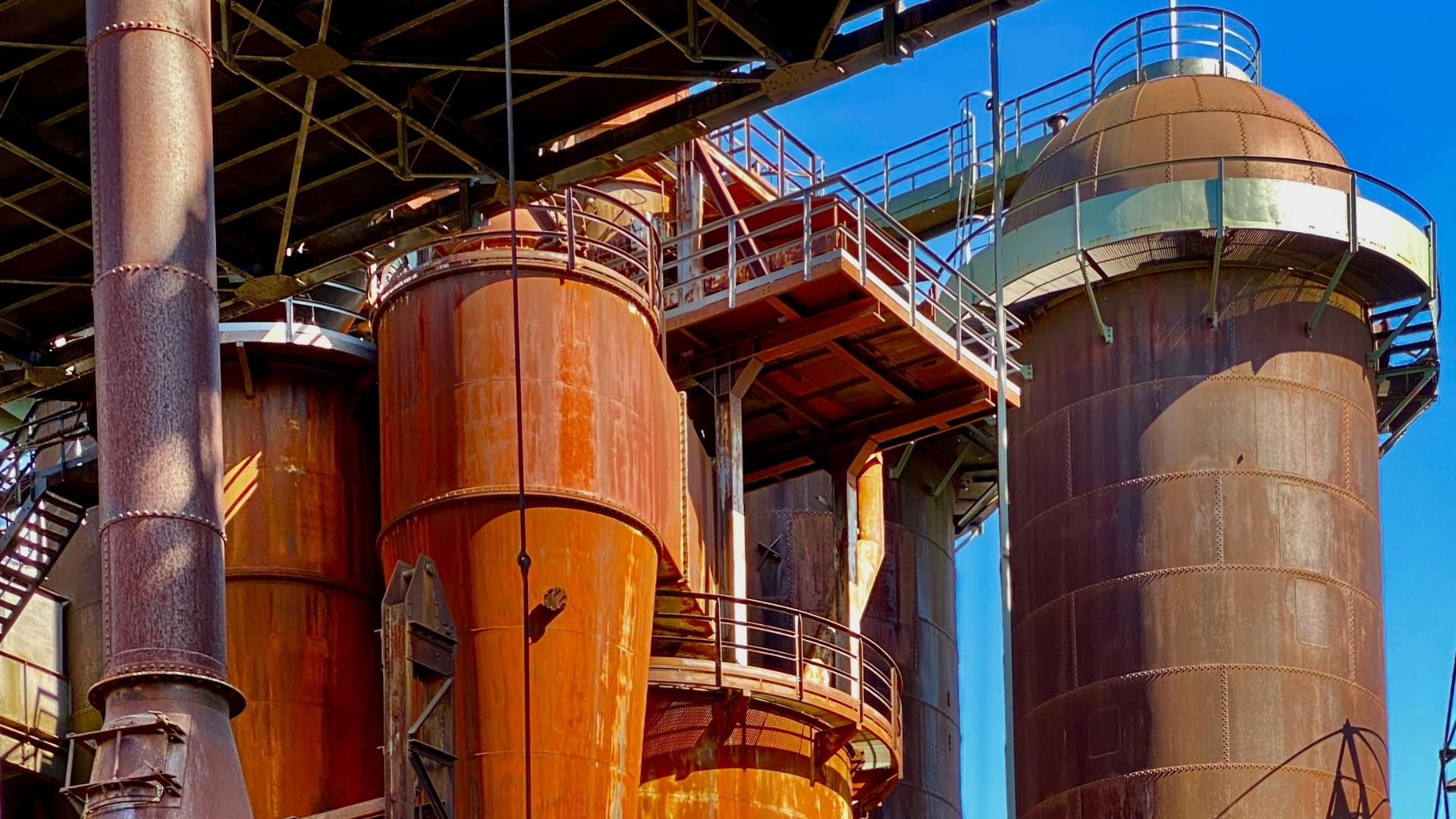
Industrial operations must follow strict industry standards to maintain workplace safety, operational reliability, environmental compliance, and equipment performance. Western Australia is home to large industries such as mining, oil and gas, manufacturing, logistics, transport, marine operations, and heavy construction. These industries operate under detailed Australian regulations and engineering requirements designed to support safe and efficient industrial activities.
Industrial infrastructure services in Western Australia help businesses meet industry standards through engineering support, maintenance programs, inspections, equipment testing, compliance management, and infrastructure upgrades. Reliable infrastructure systems reduce operational risks and help facilities maintain legal and technical compliance.
Industrial infrastructure services in Western Australia also support long-term asset performance, operational efficiency, and workplace safety across industrial environments. Facilities that maintain compliance with industry standards generally experience fewer operational disruptions and improved production stability.
Understanding Industry Standards in Industrial Operations
Industry standards are rules, technical specifications, and operational requirements used to ensure industrial facilities operate safely and efficiently. These standards apply to infrastructure systems, equipment performance, workplace safety, and environmental management.
Important industry standards may include:
- Structural engineering standards
- Electrical safety regulations
- Workplace health and safety requirements
- Environmental compliance standards
- Equipment certification rules
- Fire protection regulations
Industrial infrastructure services in Western Australia help businesses understand and apply these standards during construction, maintenance, and operational activities.
Compliance with Australian Standards helps reduce workplace accidents, equipment failures, and operational disruptions.
Supporting Workplace Safety Compliance
Safety standards are one of the most important parts of industrial operations. Industrial sites involve heavy machinery, electrical systems, elevated structures, and hazardous operational environments.
Safety compliance services may include:
- Risk assessments
- Structural inspections
- Emergency system testing
- Electrical safety inspections
- Hazard monitoring system maintenance
Industrial infrastructure services in Western Australia help industrial facilities comply with workplace safety regulations through regular inspections and maintenance programs.
Australian workplace safety laws require businesses to identify and manage operational hazards. Proper infrastructure maintenance reduces the risk of equipment failures and workplace accidents.
Safe industrial facilities also improve workforce productivity and operational continuity.
Structural Integrity and Engineering Standards
Industrial facilities depend on strong structural systems to support heavy operational loads and continuous production. Structural infrastructure must comply with engineering standards to maintain safety and reliability.
Structural compliance services may include:
- Steel structure inspections
- Weld testing
- Load capacity analysis
- Corrosion assessments
- Foundation inspections
Industrial infrastructure services in Western Australia support compliance with Australian structural engineering standards such as AS 4100 for steel structures.
Mining, marine, and industrial processing facilities often operate under harsh environmental conditions that increase structural wear. Regular inspections help identify corrosion, cracks, and material fatigue before major failures occur.
Strong structural systems improve long-term facility performance and workplace safety.
Electrical Infrastructure and Compliance Requirements
Industrial facilities rely heavily on electrical systems for equipment operation, lighting, communication networks, and automated processes.
Electrical compliance services commonly include:
- Cable testing
- Switchboard inspections
- Grounding system verification
- Emergency power testing
- Power distribution maintenance
Industrial infrastructure services in Western Australia help facilities comply with AS/NZS electrical safety regulations and operational standards.
Electrical failures can create operational risks, fires, and production interruptions. Routine inspections improve electrical reliability and reduce workplace hazards.
Reliable electrical systems also support energy efficiency and operational performance.
Equipment Maintenance and Operational Standards
Industrial machinery and equipment must operate within manufacturer specifications and industry regulations. Equipment failures can reduce operational efficiency and create compliance risks.
Maintenance programs may include:
- Mechanical servicing
- Equipment calibration
- Hydraulic system inspections
- Conveyor maintenance
- Pressure system testing
Industrial infrastructure services in Western Australia help businesses maintain equipment reliability through preventive maintenance and condition monitoring programs.
Industrial studies show that preventive maintenance can reduce unexpected equipment failures by approximately 30%. Proper maintenance also improves equipment lifespan and operational efficiency.
Routine servicing helps facilities maintain production stability and meet operational performance standards.
Environmental Compliance and Sustainability
Industrial projects in Western Australia must comply with environmental regulations related to waste management, water use, emissions, and pollution control.
Environmental infrastructure services may include:
- Water treatment system maintenance
- Dust suppression systems
- Waste management infrastructure
- Emission control systems
- Drainage management systems
Industrial infrastructure services in Western Australia support environmental compliance through infrastructure planning and maintenance programs.
Environmental regulations help reduce the impact of industrial activities on surrounding communities and ecosystems. Proper environmental management also supports long-term operational sustainability.
Facilities that maintain environmental compliance reduce legal risks and operational interruptions.
Fire Protection and Emergency Systems
Industrial operations must maintain emergency response systems that comply with Australian safety standards. Fire protection and emergency infrastructure are essential in facilities handling heavy equipment, fuels, chemicals, and high-temperature operations.
Emergency infrastructure may include:
- Fire suppression systems
- Emergency shutdown systems
- Alarm systems
- Emergency exits
- Hazard detection systems
Industrial infrastructure services in Western Australia help businesses maintain emergency systems through inspections, testing, and maintenance support.
Regular testing ensures emergency systems function correctly during operational incidents. Reliable emergency systems improve workplace safety and support compliance with industrial safety regulations.
Technology and Modern Compliance Management
Modern industrial operations increasingly use advanced technologies to improve compliance monitoring and infrastructure management.
Common technologies include:
- Remote monitoring systems
- Smart safety sensors
- Predictive maintenance software
- Drone inspections
- Thermal imaging systems
- Automated reporting systems
Industrial infrastructure services in Western Australia use these technologies to improve inspection accuracy and operational monitoring.
Predictive maintenance systems analyze equipment performance and help identify infrastructure problems before failures occur. Automated reporting systems also improve maintenance tracking and compliance documentation.
Technology-driven infrastructure systems improve operational transparency and regulatory compliance.
Supporting Remote Industrial Facilities
Many industrial projects in Western Australia are located in remote mining and energy regions. Remote facilities face additional compliance challenges because of environmental conditions and limited access to emergency support services.
Remote compliance support may include:
- Mobile maintenance teams
- Emergency repair systems
- Remote monitoring technologies
- Workforce safety infrastructure
- Environmental management systems
Industrial infrastructure services in Western Australia help remote operations maintain compliance with Australian regulations through structured maintenance and operational planning.
Reliable infrastructure systems improve safety, operational efficiency, and emergency response capability in isolated industrial environments.
Workforce Training and Compliance Awareness
Meeting industry standards also depends on workforce knowledge and operational awareness. Workers must understand safety procedures, equipment requirements, and compliance responsibilities.
Training support may include:
- Safety induction programs
- Equipment operation training
- Emergency response training
- Maintenance procedure training
Industrial infrastructure services in Western Australia often support compliance programs through operational guidance and maintenance documentation.
Proper workforce training reduces operational risks and improves infrastructure management quality.
Long-Term Benefits of Industry Compliance
Maintaining compliance with industry standards provides several long-term operational benefits.
Benefits include:
- Improved workplace safety
- Reduced operational downtime
- Better equipment reliability
- Lower legal and financial risks
- Improved operational efficiency
Industrial infrastructure services in Western Australia help businesses maintain these benefits through structured maintenance, inspections, and engineering support programs.
Reliable infrastructure systems also support long-term industrial growth and sustainable operations.
FAQ
What are industrial infrastructure services?
Industrial infrastructure services include engineering, maintenance, inspections, construction, and operational support for industrial facilities and equipment.
How do Industrial infrastructure services in Western Australia help meet industry standards?
These services support compliance through inspections, maintenance programs, engineering assessments, safety systems, and infrastructure upgrades.
Why are industry standards important in industrial operations?
Industry standards improve workplace safety, reduce equipment failures, support environmental protection, and improve operational reliability.
Which industries require industrial infrastructure compliance services?
Mining, oil and gas, manufacturing, logistics, transport, marine operations, and construction industries commonly require these services.
What technologies improve compliance management?
Remote monitoring systems, predictive maintenance software, smart sensors, thermal imaging systems, and automated reporting tools improve infrastructure compliance and operational monitoring.
Conclusion
Industrial operations require reliable infrastructure systems and strong compliance management to meet Australian industry standards. Industrial infrastructure services in Western Australia support industrial facilities through maintenance programs, engineering support, inspections, safety systems, and environmental management solutions.
These services help businesses improve workplace safety, maintain equipment reliability, reduce operational risks, and support long-term operational efficiency across mining, manufacturing, energy, transport, and construction sectors.
As industrial development continues across Western Australia, infrastructure services will remain essential for supporting safe, compliant, and efficient industrial operations.