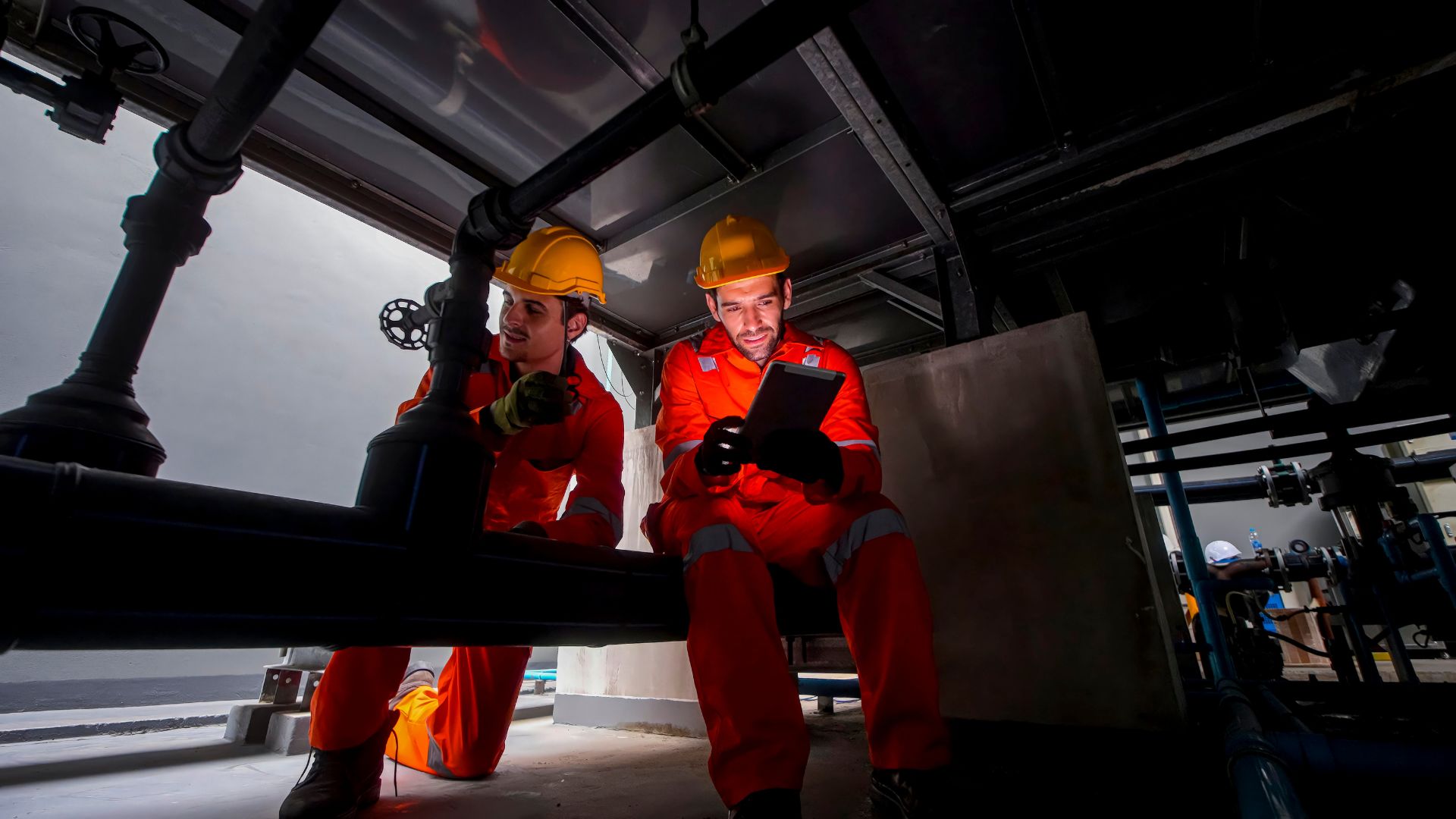
Western Australia is one of Australia’s leading industrial regions. Mining, manufacturing, logistics, oil and gas, and renewable energy industries depend on reliable infrastructure systems to maintain operations. Trusted industrial infrastructure contractors play an important role in building, maintaining, and upgrading these critical industrial facilities.
Industrial infrastructure services in Western Australia support industrial growth through engineering, construction, maintenance, and operational management. Contractors work on large-scale industrial projects that require technical expertise, safety compliance, and advanced project coordination.
Industrial operations in Western Australia often operate under difficult conditions, including remote work locations, high temperatures, and continuous production schedules. Professional contractors help businesses maintain reliable infrastructure systems designed for long-term operational performance.
Role of Industrial Infrastructure Contractors
Industrial infrastructure contractors provide the workforce, engineering support, equipment, and technical services needed to complete industrial projects. These projects may involve construction, mechanical installation, structural fabrication, electrical systems, or facility maintenance.
Industrial infrastructure services in Western Australia are commonly used in:
- Mining facilities
- Processing plants
- Manufacturing sites
- Transport terminals
- Energy facilities
- Warehouses
- Pipeline systems
- Renewable energy projects
Contractors work closely with engineers, project managers, and industrial operators to ensure projects meet safety, quality, and operational standards.
Key Services Offered by Industrial Infrastructure Contractors
Industrial contractors provide a wide range of specialized services across multiple industries.
Structural Construction Services
Structural construction includes steel fabrication, framework installation, industrial platforms, and heavy-duty support systems. Contractors build structures designed to handle heavy operational loads and harsh environmental conditions.
Structural steel is commonly used because of its strength, durability, and corrosion resistance.
Mechanical Installation and Maintenance
Mechanical services include the installation and maintenance of industrial equipment such as pumps, conveyors, piping systems, valves, and processing machinery.
Industrial infrastructure services in Western Australia often involve mechanical upgrades designed to improve production efficiency and equipment reliability.
Electrical Infrastructure Services
Industrial contractors install and maintain electrical systems that support industrial operations. Services may include power distribution systems, switchboards, automation controls, and backup power systems.
Modern facilities also use automated electrical systems to improve operational monitoring and energy efficiency.
Civil and Concrete Construction
Civil works include foundations, drainage systems, industrial flooring, roads, and retaining walls. Reinforced concrete systems provide stable support for heavy machinery and transport equipment.
Contractors also manage site preparation and earthworks for large industrial developments.
Industries Using Industrial Infrastructure Contractors
Several major industries in Western Australia rely on experienced industrial contractors.
Mining Industry
Western Australia is one of the world’s largest mining regions. Mining companies require contractors for processing plants, conveyor systems, workshops, storage facilities, and infrastructure maintenance.
Industrial infrastructure services in Western Australia support mine expansion projects, shutdown maintenance, and equipment upgrades.
Oil and Gas Sector
Oil and gas operations require highly specialized infrastructure systems. Contractors provide piping installation, structural fabrication, pressure system maintenance, and safety inspections.
Strict compliance with Australian safety regulations is essential in these high-risk environments.
Manufacturing and Processing
Manufacturing plants require infrastructure systems that support production lines, automated machinery, and storage facilities. Contractors help manufacturers improve workflow efficiency and equipment reliability.
Renewable Energy Projects
Renewable energy infrastructure continues to grow across Western Australia. Contractors support solar farms, wind energy facilities, and battery storage projects through electrical installation, civil works, and structural construction.
Benefits of Hiring Trusted Industrial Contractors
Professional contractors help businesses improve operational reliability and project efficiency.
Experienced contractors reduce construction delays and improve project quality through proper planning and technical expertise. Reliable maintenance programs also help extend infrastructure lifespan and reduce repair costs.
Industrial infrastructure services in Western Australia improve workplace safety through strict compliance with engineering standards and operational procedures.
Contractors also provide access to skilled workers, specialized equipment, and project management systems. This helps industrial businesses manage large projects more effectively.
Modern contractors use advanced technology to improve construction accuracy, maintenance scheduling, and operational monitoring.
Safety and Compliance Standards
Industrial projects involve heavy machinery, hazardous materials, and complex operational systems. Contractors must follow strict Australian safety standards to protect workers and maintain safe project conditions.
Safety management procedures often include:
- Risk assessments
- Equipment inspections
- Worker safety training
- Emergency response planning
- Compliance audits
Environmental compliance is also important. Industrial contractors help businesses manage waste, emissions, and water systems according to government regulations.
Technology Used by Industrial Infrastructure Contractors
Technology continues to improve industrial project management and infrastructure performance.
Engineering teams use 3D modelling software to design infrastructure systems before construction begins. Digital project management systems improve scheduling, budgeting, and workforce coordination.
Industrial infrastructure services in Western Australia increasingly include smart monitoring systems and predictive maintenance technology.
Remote monitoring systems help operators track equipment performance in real time, especially in remote industrial locations.
Automation systems also improve operational efficiency and reduce manual labour requirements in hazardous work environments.
Challenges in Industrial Infrastructure Projects
Industrial infrastructure projects in Western Australia often involve logistical and environmental challenges.
Remote project locations can increase transportation costs and workforce management complexity. Harsh environmental conditions may also affect construction schedules and equipment performance.
Large industrial projects require strong coordination between contractors, engineers, suppliers, and maintenance teams. Skilled labour shortages may also impact project timelines.
Professional contractors use detailed planning and project management systems to reduce delays and maintain project quality.
Future of Industrial Infrastructure Contracting in Western Australia
Industrial development in Western Australia continues to expand due to increasing demand for natural resources, renewable energy, and advanced manufacturing systems.
Future infrastructure projects are expected to focus on:
- Smart infrastructure systems
- Automation technology
- Sustainable construction methods
- Renewable energy integration
- Predictive maintenance solutions
Industrial infrastructure services in Western Australia will continue supporting industrial modernization and long-term economic growth across the region.
FAQ
What do industrial infrastructure contractors do?
Industrial infrastructure contractors provide construction, maintenance, engineering, and operational support services for industrial facilities.
Which industries use industrial infrastructure services in Western Australia?
Mining, oil and gas, manufacturing, logistics, renewable energy, and processing industries commonly use these services.
Why is safety important in industrial infrastructure projects?
Industrial projects involve hazardous equipment and operating conditions. Safety systems help reduce workplace risks and maintain compliance with regulations.
What materials are commonly used in industrial construction?
Common materials include structural steel, reinforced concrete, industrial piping systems, and corrosion-resistant coatings.
How does technology improve industrial infrastructure projects?
Technology improves project planning, equipment monitoring, maintenance scheduling, and operational efficiency.
Conclusion
Industrial infrastructure contractors play an important role in supporting industrial operations across Western Australia. Mining facilities, manufacturing plants, transport systems, and energy projects all require reliable infrastructure solutions for safe and efficient operations.
Industrial infrastructure services in Western Australia provide essential support through engineering, construction, maintenance, and project management solutions. As industries continue expanding and modernizing, trusted contractors will remain critical for delivering reliable infrastructure systems and long-term operational performance.